

Industrial wastewater treatment has moved beyond simple compliance‑based discharge, shifting toward low‑carbon, energy‑saving, eco‑friendly and resource‑oriented development. Huge water‑quality discrepancies across industries, complex operating conditions of combined park wastewater, and urgent demands for technical retrofitting & water reuse have become core environmental pain points for numerous factories and industrial parks.
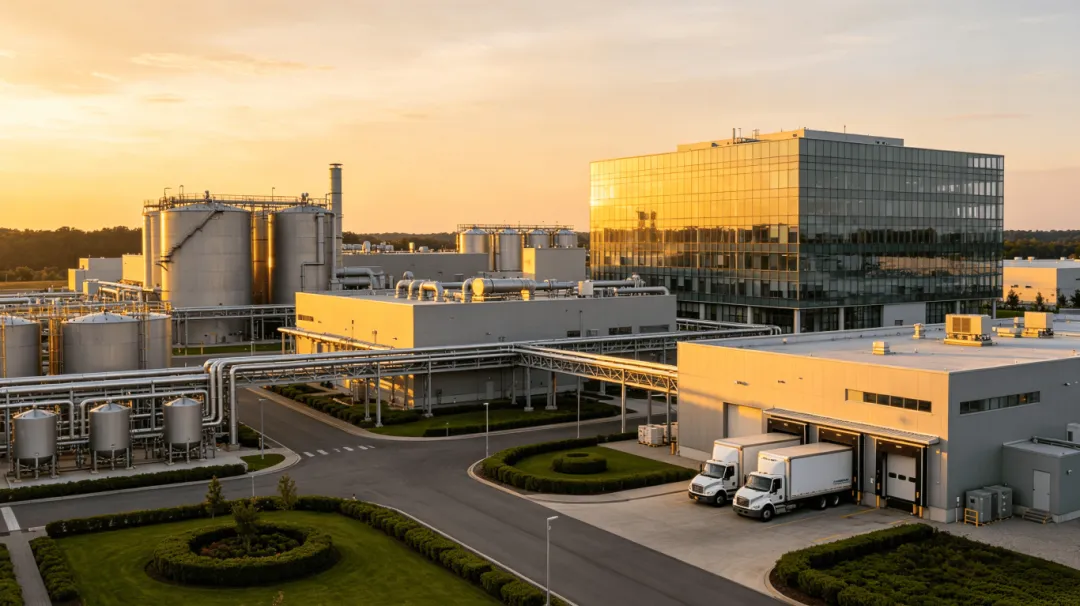
BHT Envron has years of in‑depth experience in industrial water treatment. Addressing water‑treatment challenges across multiple industries, we have delivered a large number of practical projects. This article sorts out cases by industry, highlighting implemented projects in high‑market‑potential segments.
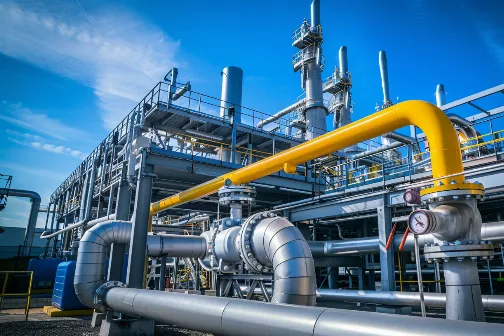
High COD, extremely poor biodegradability, presence of benzene rings, heterocycles, organic solvents, high salinity and high chroma; surging demands for effluent‑standard upgrading retrofits.
1.Tianchen Qixiang Nylon New Materials Project
Capacity: 7,920 m³/d
Challenges: High COD & total nitrogen; containing cyanides, fluorides, petroleum substances and refractory toxic organic compounds.
Significance: China’s first industrial‑scale adiponitrile production project. It plays a vital role in breaking the technological monopoly on high‑end nylon and boosting the development of domestic industries.
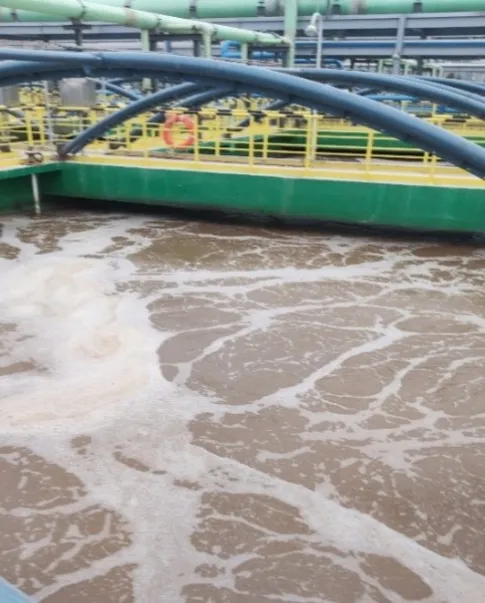
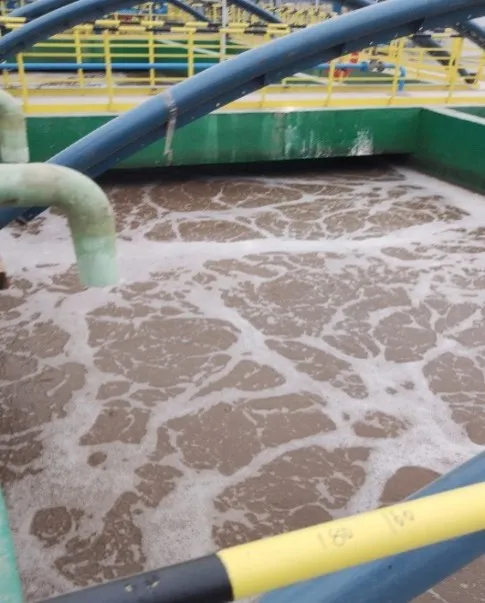
2.Industrial Wastewater Treatment Project of Chenguang Science and Technology Park, Zigong, Sichuan
Park Profile: Built based on Chenguang Research Institute of Chemical Industry. It is committed to building a new‑chemical‑material industrial base featuring fluorosilicone chemicals & advanced materials and fine chemicals, integrating manufacturing and application of new chemical materials, with forward‑looking development of shale‑gas and new‑energy industries.
Capacity: 10,000 m³/d
Process: BioDopp
Effluent Standard: Better than Grade‑1‑A standard
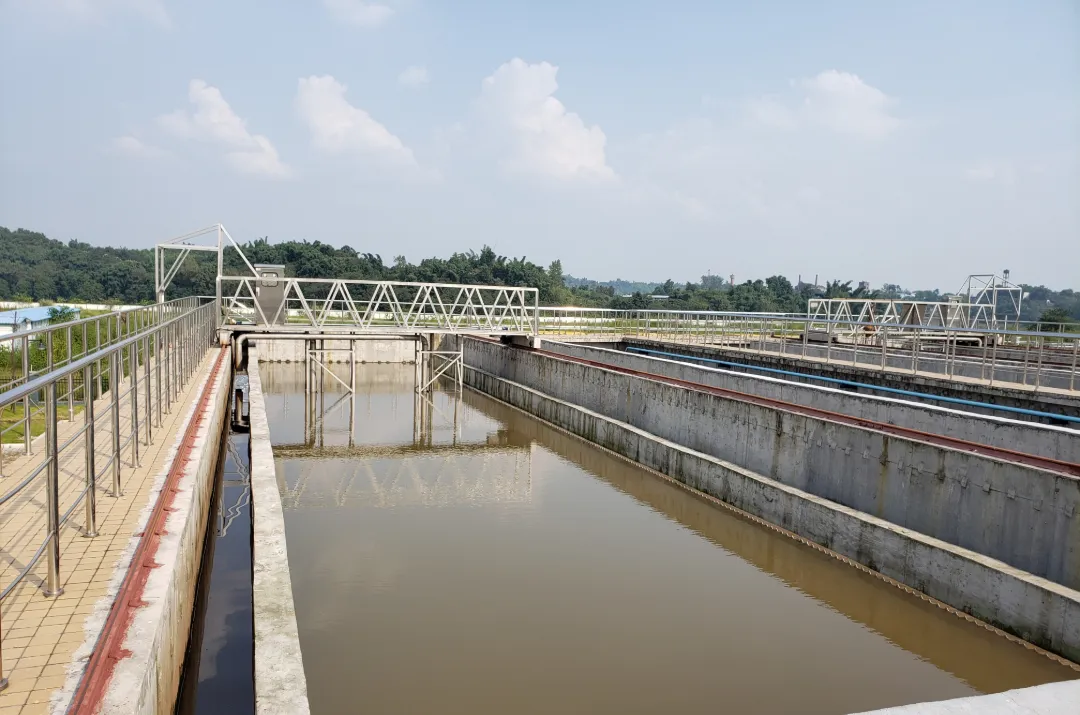
Sharp water‑quality fluctuations; containing antibiotics and bacteriostatic substances; high COD and ammonia‑nitrogen; prone to microbial inhibition and high difficulty in nitrogen removal.
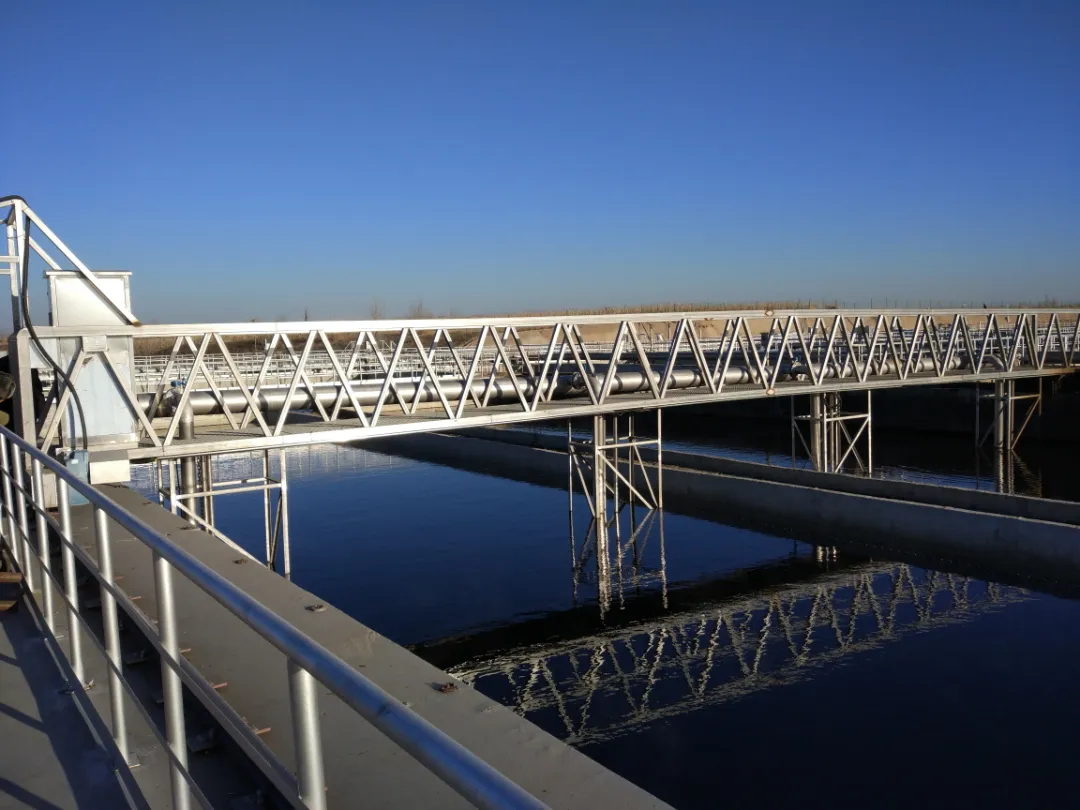
1.Datong Yudong New Area Pharmaceutical Industrial Park Sewage Treatment Project
Park Profile:Yudong New‑Area Pharmaceutical Industrial Park is a modern pharmaceutical cluster producing biological & chemical API, finished preparations and traditional‑Chinese‑medicine formulations. Its product portfolio mainly covers cephalosporin and penicillin antibiotics, plus digestive, cardiovascular‑cerebrovascular, anti‑tumor and other diversified medicines.
Capacity: 120,000 m³/d
Process: BioDopp
Effluent Standard: Meeting Grade‑1‑A standard, with reserved capacity for upgrading to quasi‑Class‑IV surface‑water quality.
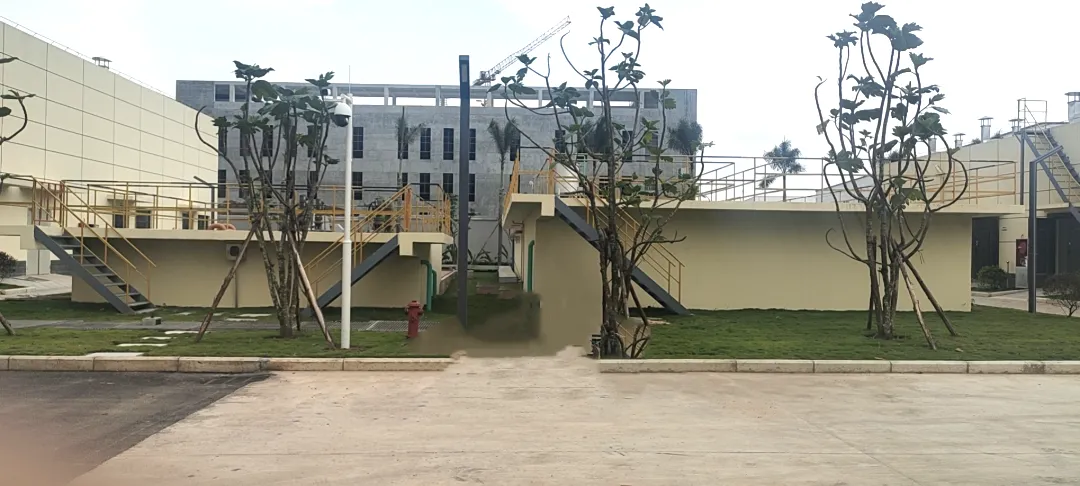
2.Hainan Changan International Pharmaceutical Mei'an Science and Technology New Town Supporting Construction Project
Park Profile: This pharmaceutical plant manufactures anti‑tumor drugs and common medicines including special pharmaceuticals. Wastewater features complex components with small total volume; slight flow fluctuations may exert heavy impacts on biochemical systems
Capacity: 800 m³/d
Process: BioDopp
Operation Status: Adopting anti‑shock BioDopp micro‑aerobic biochemical technology for stable compliant effluent discharge.
High fluoride, silicon and suspended solids, high salinity, extreme pH values, poor biodegradability, heavy fluctuations in water quality & flow rate, and extremely high purity requirements for water reuse.
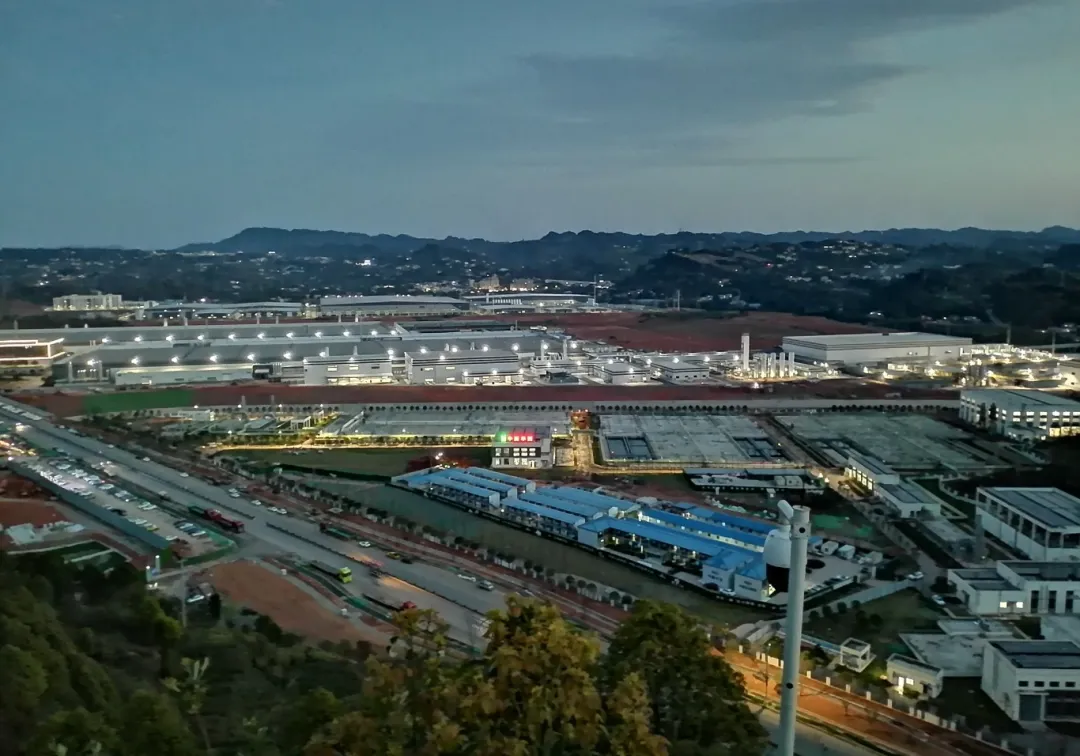
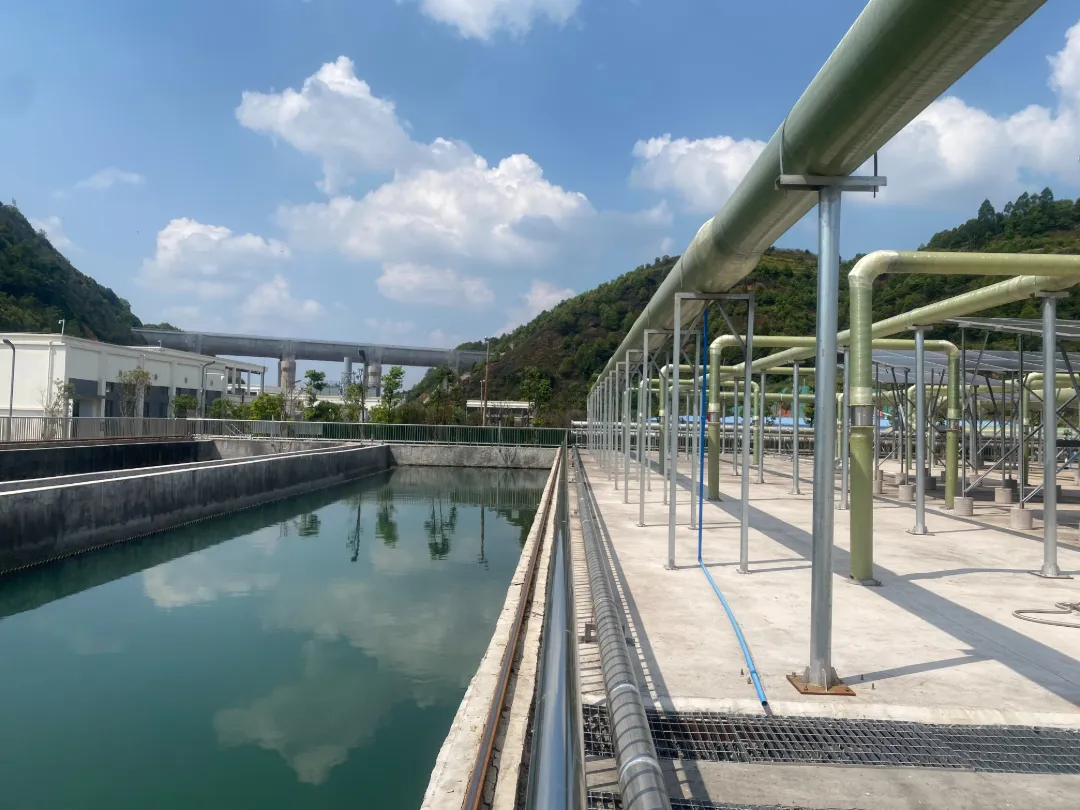
1.Sichuan Yibin Gaojie Park No.2 Sewage Treatment Plant Project
Capacity: 50,000 m³/d
Process: BioDopp
Effluent Standard: Urban wastewater‑treatment‑plant criteria specified in Sichuan Provincial Discharge Standard of Water Pollutants for Minjiang‑Tuojiang River Basins (DB51/2311‑2016)
Project Significance: The 2nd Wastewater Treatment Plant serves as a prerequisite for local enterprises to commission and reach full production capacity. It constitutes critical infrastructure for Yibin to build a national‑grade crystalline‑silicon PV industrial cluster. It undertakes wastewater disposal for the 10,000‑mu PV industrial zone in the High‑Tech Zone and contributes greatly to reinforcing the ecological barrier in the upper Yangtze‑River basin.
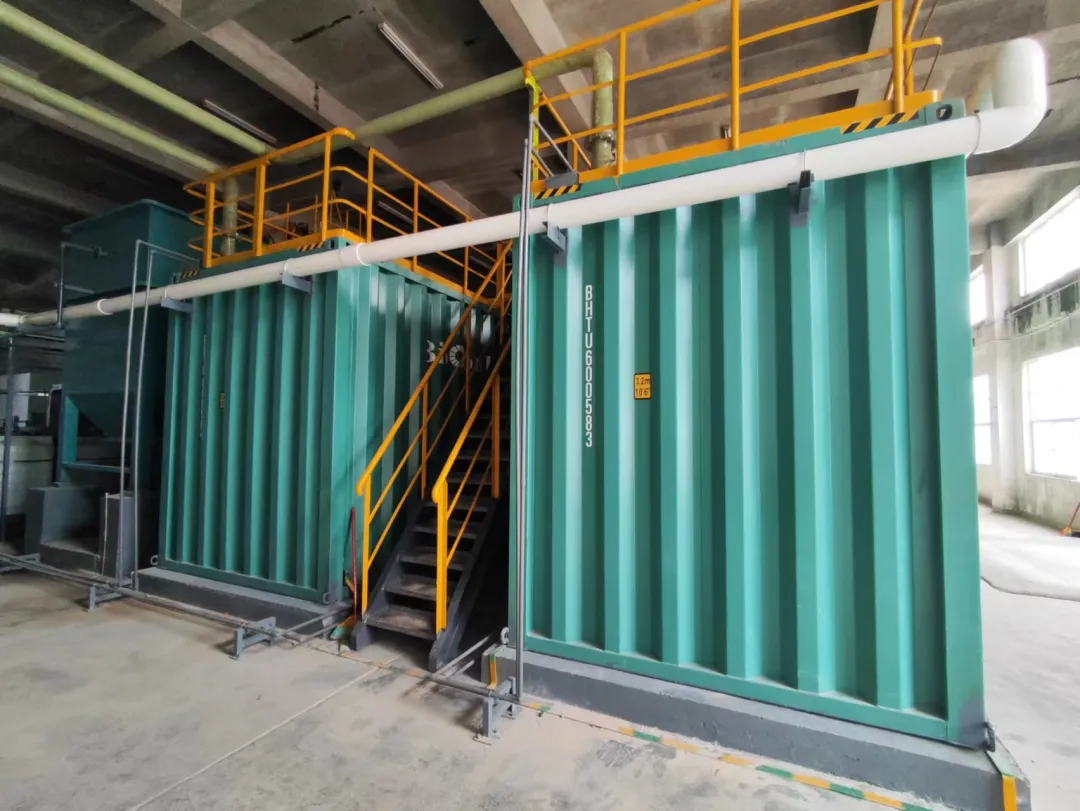
2.Huizhou Lithium Battery New Cathode Material Sewage Treatment Project
Capacity: 22 m³/d
Equipment: BioComb integrated wastewater‑treatment unit
Operation Status: Stable compliant effluent.
Containing toxic substances such as oil, phenols and hydrocarbons; hig salinity and strong shock load.
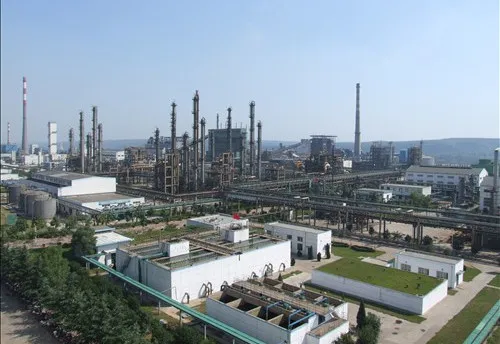
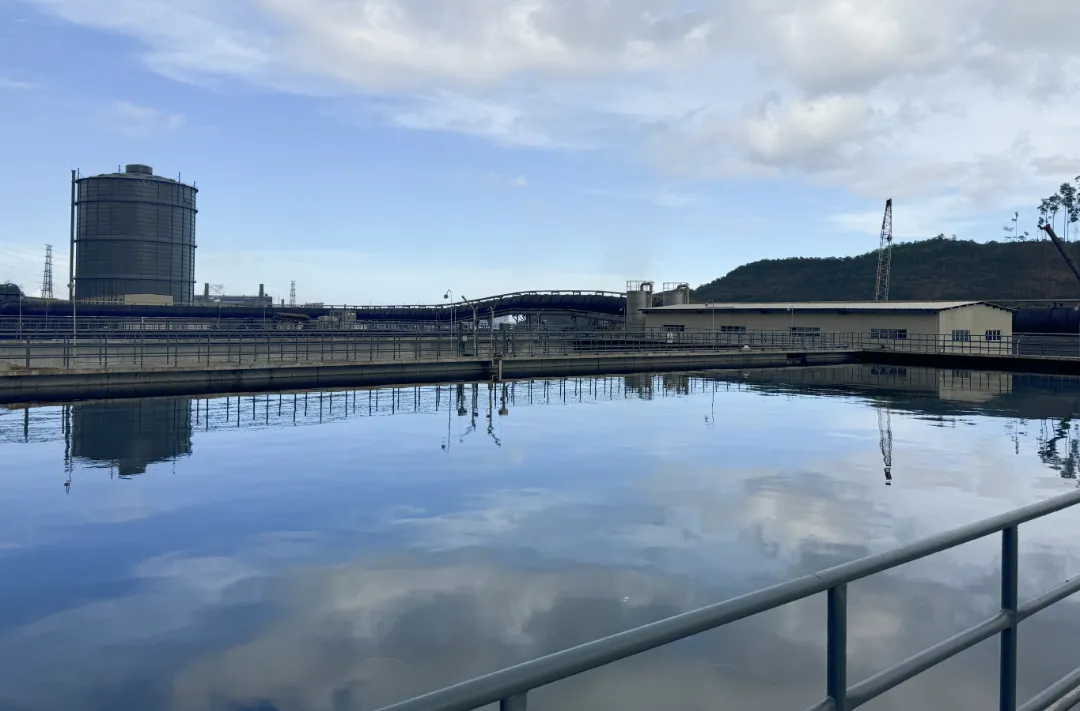
1.Indonesia Coking Industrial Park Sewage Treatment Project
Capacity: 19,200 m³/d
Process: BioDopp
Project Challenges: Ammonia‑still wastewater flow reaches 500 t/h, 4‑5 times that of large domestic coking plants; zero‑liquid‑discharge is realized.
2.SINOPEC Shijiazhuang Chemical Fiber Plant Sewage Treatment Station Renovation Project
Capacity: 2,800 m³/d
Process: BioDopp
Project Challenges: Wastewater has high CODCr and ammonia‑nitrogen concentrations with refractory benzene‑ring substances, posing great treatment difficulty.
Operation Performance: After retrofitting with BioDopp technology, effluent indicators are greatly improved, process flow is substantially shortened. Operating cost drops to 50 % of the original value, and footprint is halved compared with the previous process.
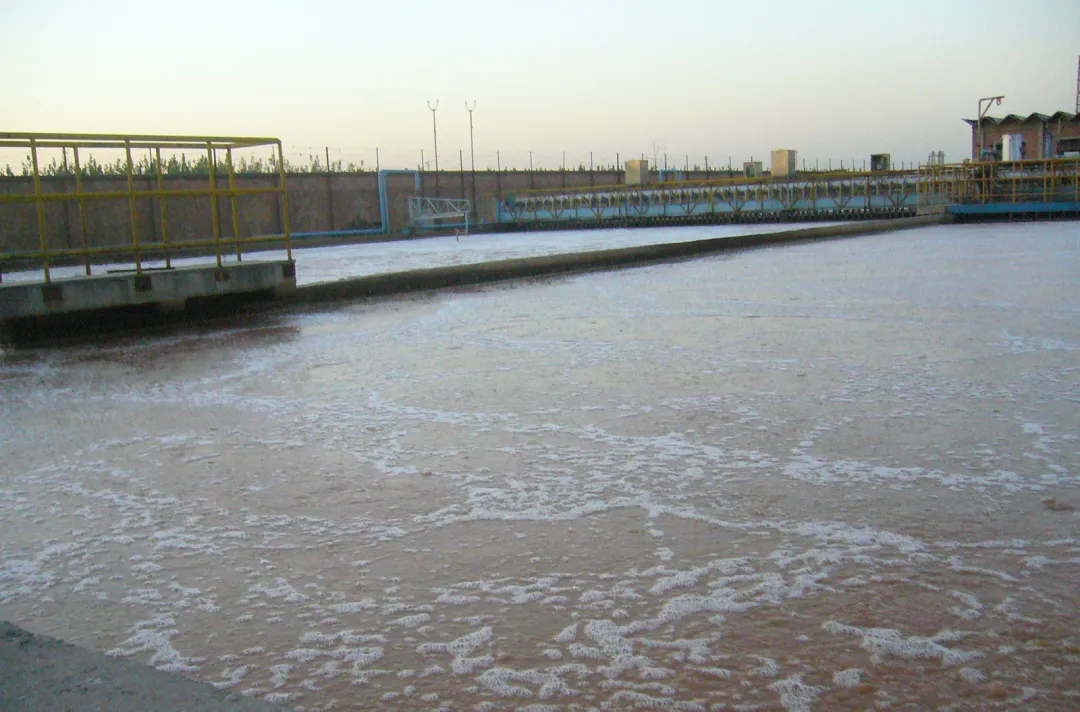
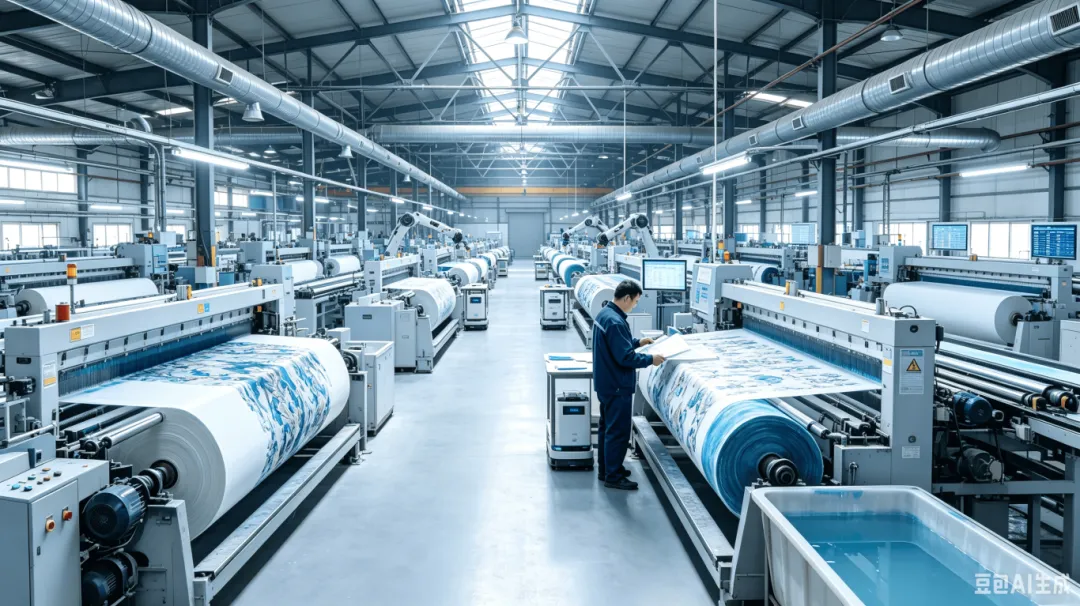
High chroma, high COD and high alkalinity; refractory dyestuffs & auxiliaries, making stable compliance for effluent chroma difficult.
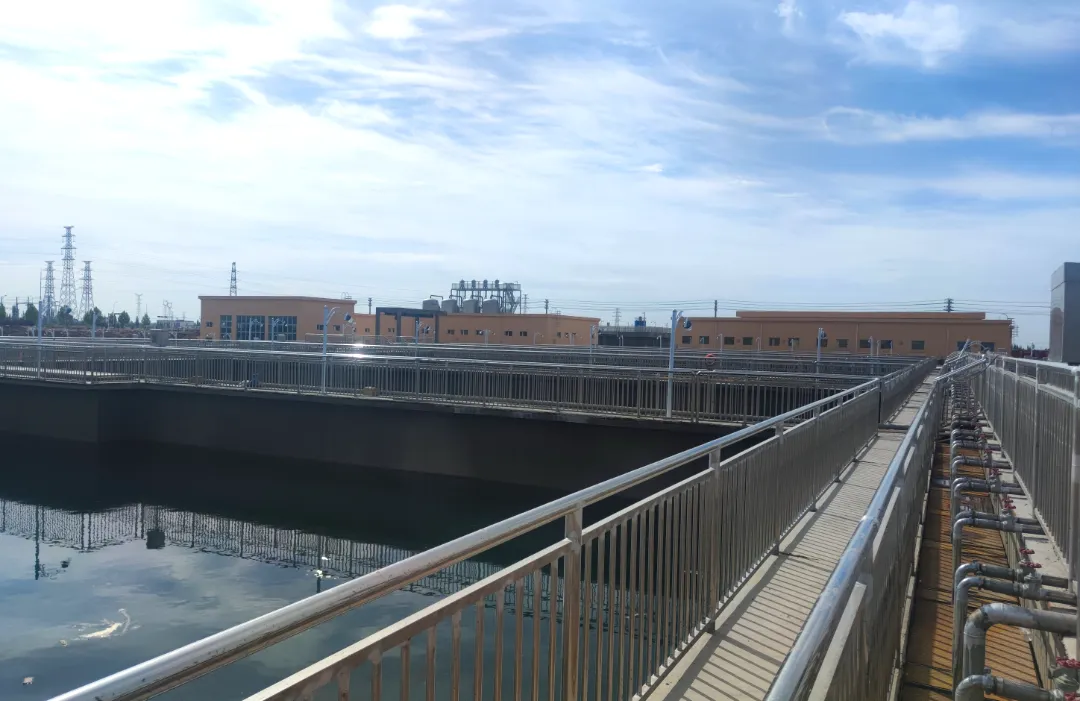
1.Aksu Textile Industrial City Sewage Treatment Project
Capacity: 50,000 m³/d
Process: BioDopp
Wastewater Sources: Mainly printing‑&‑dyeing wastewater, chemical‑fiber textile wastewater and wool‑washing wastewater.
Operation Performance: Stable compliant effluent.
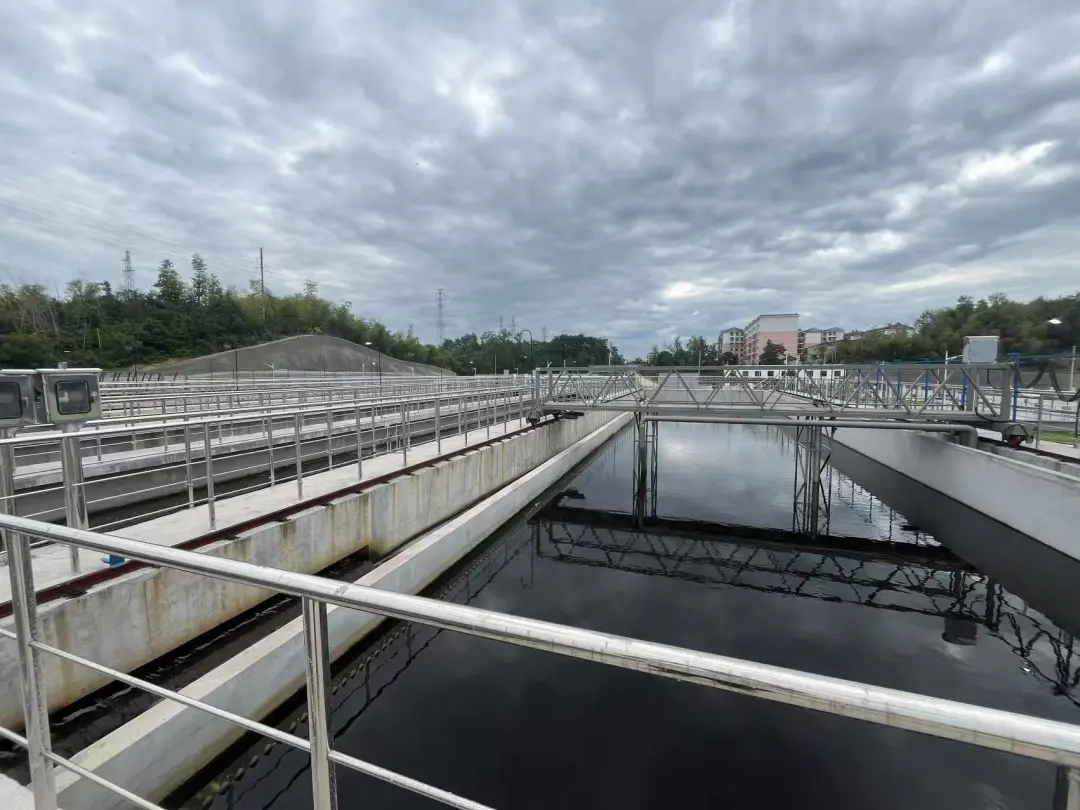
2.Chibi Lushui Industrial Park Sewage Treatment Project
Capacity: 20,000 m³/d
Process: BioDopp
Operation Performance: Stable compliant effluent.
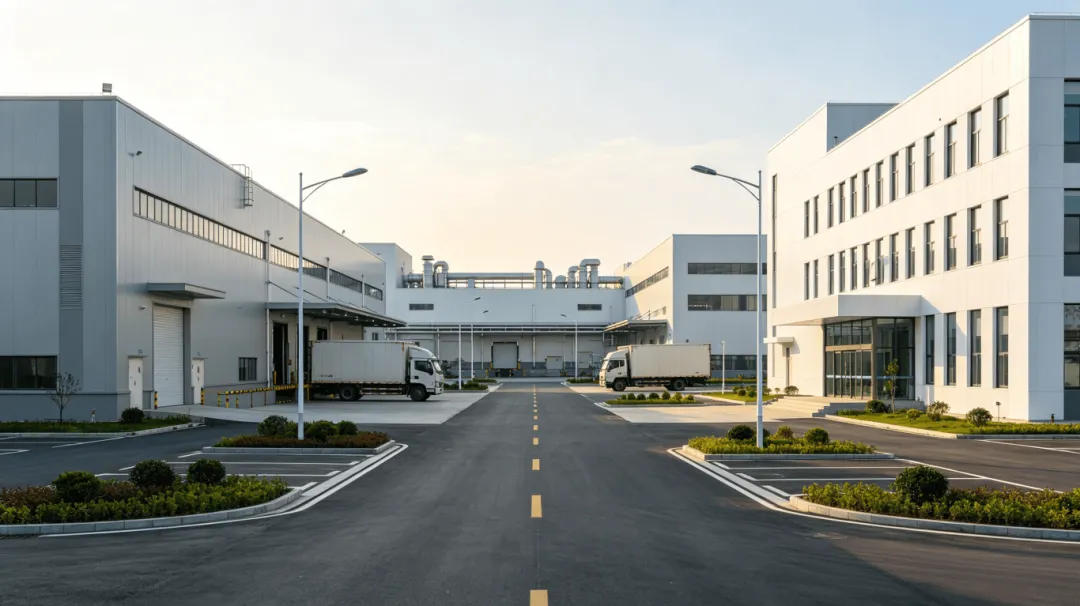
High oil‑grease and organic‑matter content; large diurnal water‑quality fluctuations and high risk of sludge bulking.
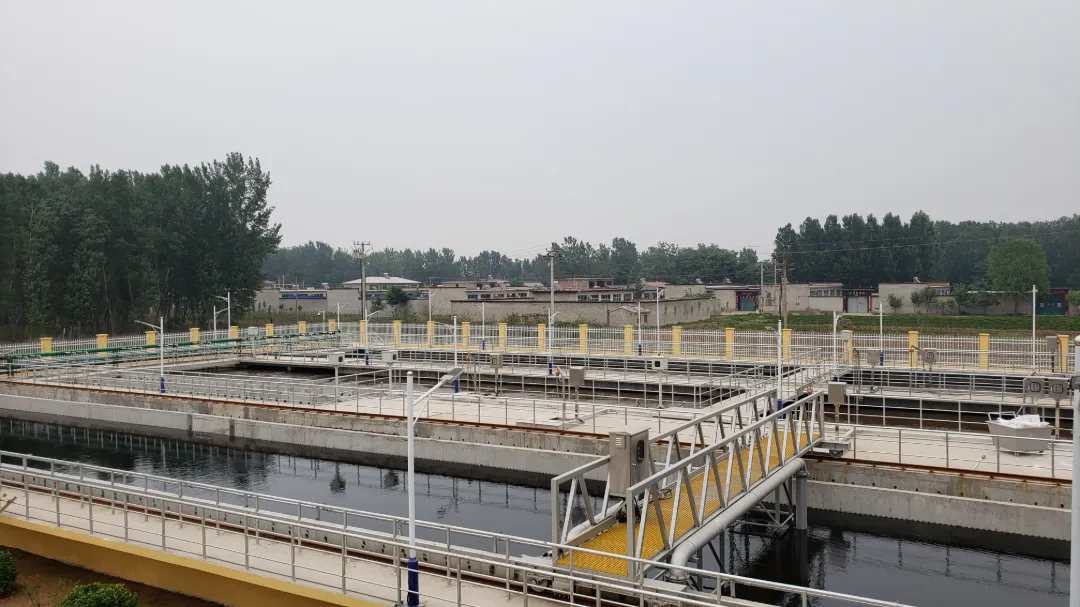
1.Jintai Development Zone Sewage Treatment Plant Project, Dingxing County, Hebei Province
Capacity: 10,000 m³/d
Wastewater Sources: Production wastewater from food‑processing industry plus a small volume of domestic sewage.
Process: BioDopp
Effluent Quality: Quasi‑Class‑IV surface‑water standard.
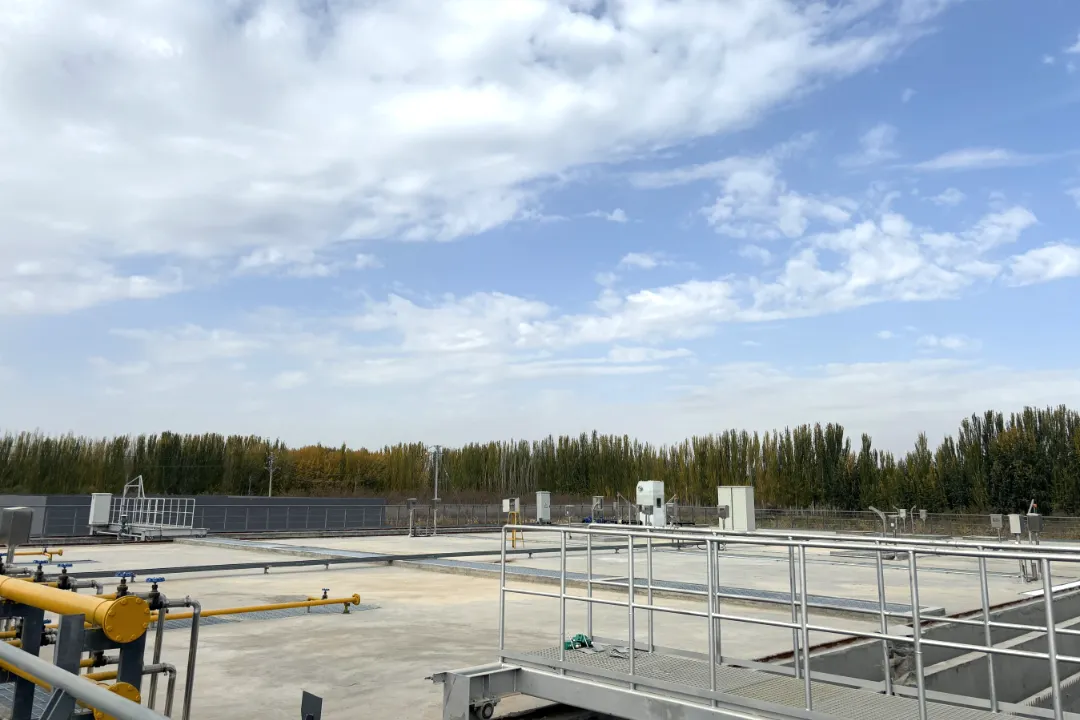
2.Aksu Wensu National Agricultural Science and Technology Park Sewage Treatment Project
Park Profile: Dominated by upstream‑and‑downstream fruit‑related food‑processing businesses.
Capacity: 15,000 m³/d
Process: BioDopp
Operation Performance: Stable compliant effluent.
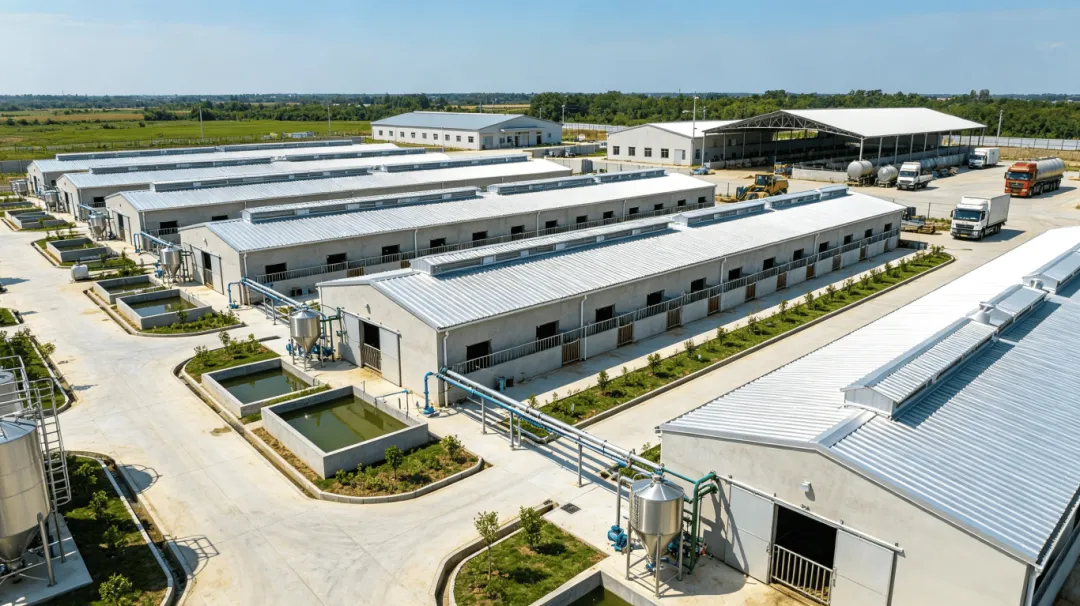
High COD, ammonia‑nitrogen and organic phosphorus; abundant pathogenic microbes, drug residues and suspended solids, plus large fluctuations in water quality and flow.
1.Hangzhou Breeding Pig Co., Ltd. Sewage Treatment Project
Capacity: 500 m³/d
Process: BioDopp
Effluent Standard: Grade‑1 standard of Integrated Wastewater Discharge Standard.
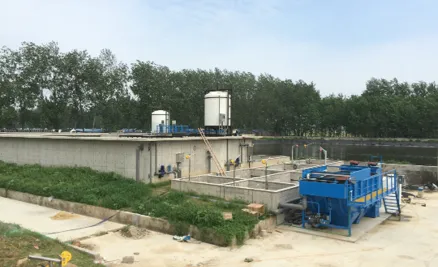
2.Dairy Farm Wastewater Treatment Project in Nanjing, Jiangsu
Capacity: 600 m³/d
Wastewater Sources: Milking‑parlor production wastewater, CIP cleaning wastewater, domestic sewage and manure wastewater from barn manure‑scraping operations.
Process: BioDopp
Operation Status: Stable compliant effluent.
With years‑long devotion to industrial water treatment and relying on the core BioDopp process, BHT Envron customizes full‑process solutions targeting water‑quality pain points of diverse industries. We deliver stable discharge compliance, energy‑consumption reduction and water‑resource recycling to remove environmental obstacles for enterprises and industrial parks.
Pollution control means more than compliance — it empowers industrial green upgrading. Going forward, BHT Envron will keep optimizing diversified wastewater‑treatment technologies and support more industrial enterprises and parks along the path toward low‑carbon sustainable development.