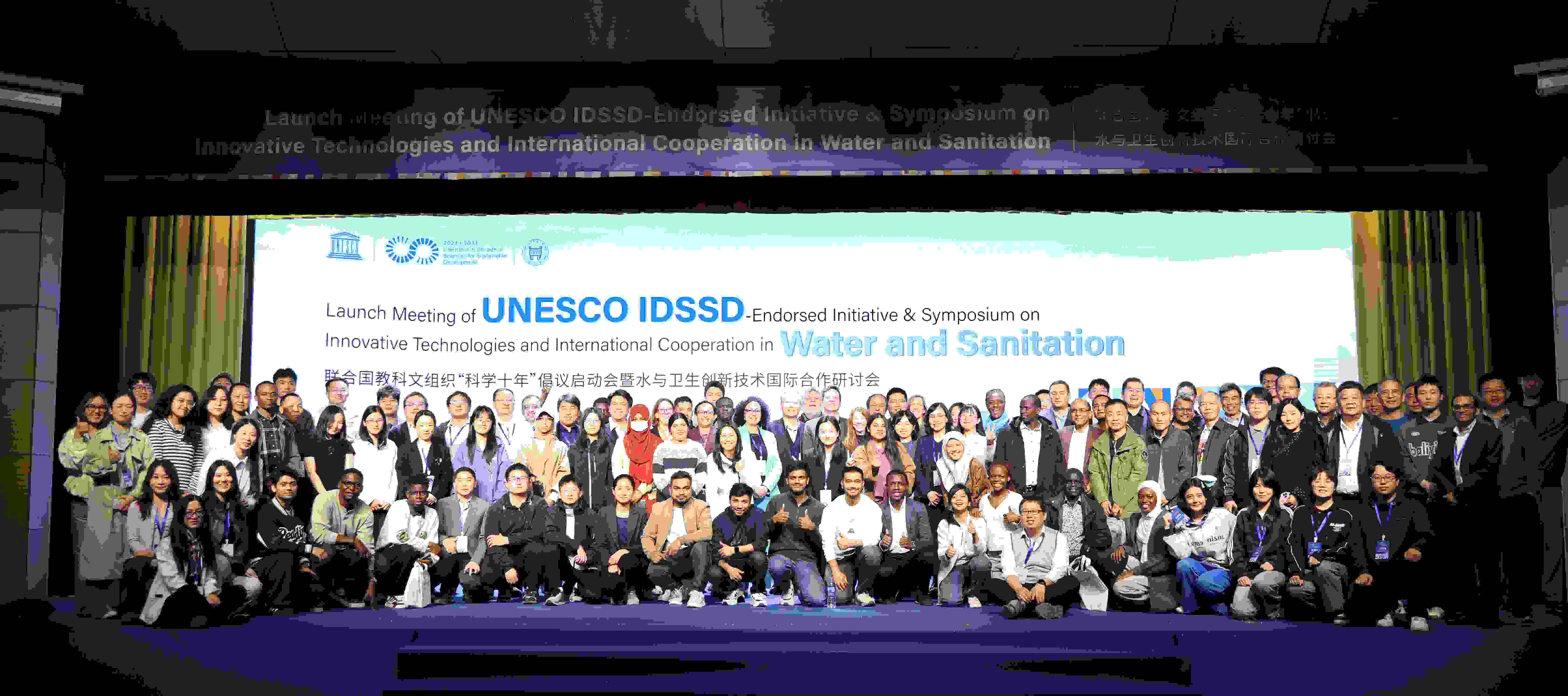

On April 17, 2026, the Launch Ceremony of UNESCO’s “International Decade of Sciences” Initiative and the Seminar on International Cooperation in Innovative Water and Sanitation Technologies, hosted by the University of Science and Technology Beijing (USTB), was grandly held in Beijing. As the inaugural event of the Initiative for International Cooperation in Innovative Water and Sanitation Technologies, the conference brought together leading scholars, industry leaders, and representatives of international organizations from more than ten countries, including China, the United Kingdom, Australia, Morocco, Vietnam, Brazil, Mongolia, Bangladesh, and Sri Lanka, to discuss frontier issues in global water environmental governance and sanitation innovation.
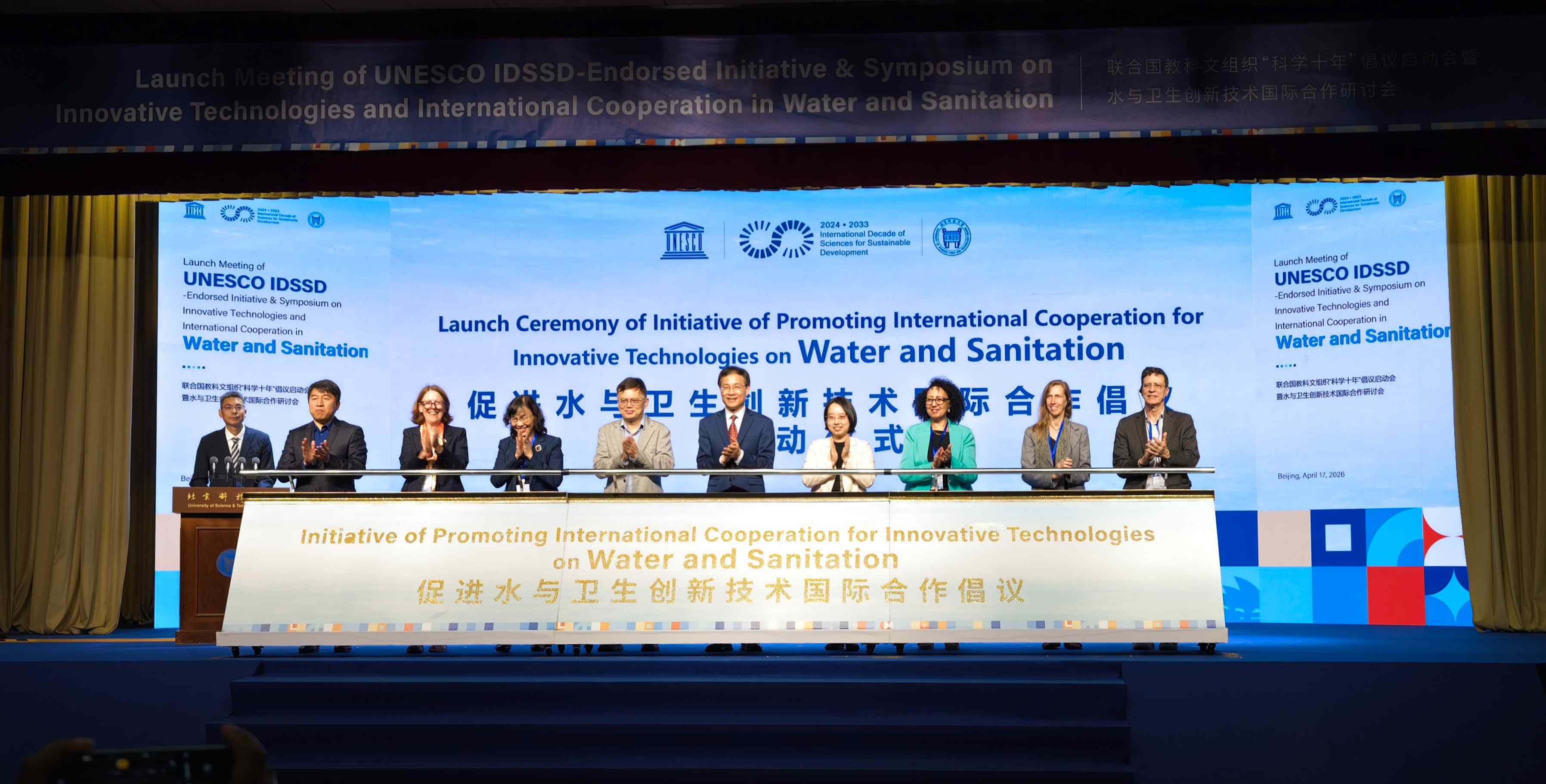
At this high-level international academic event, Jayton Pan , Chairman and General Manager of Beijing BHT Environmental Technology Co., Ltd., was invited to attend and deliver opening remarks at the ceremony. He later presented a keynote report entitled “BHT’s Experience and Case Studies in Taking Water Treatment Processes and Products Overseas” during the industrial technology exchange session, and also participated in a high-level roundtable discussion to explore new pathways for international cooperation in water and sanitation technologies with global experts.
At the launch ceremony of the Initiative for Promoting International Cooperation in Innovative Water and Sanitation Technologies, Jayton Pan delivered remarks as a distinguished USTB alumnus and representative of the environmental protection industry.
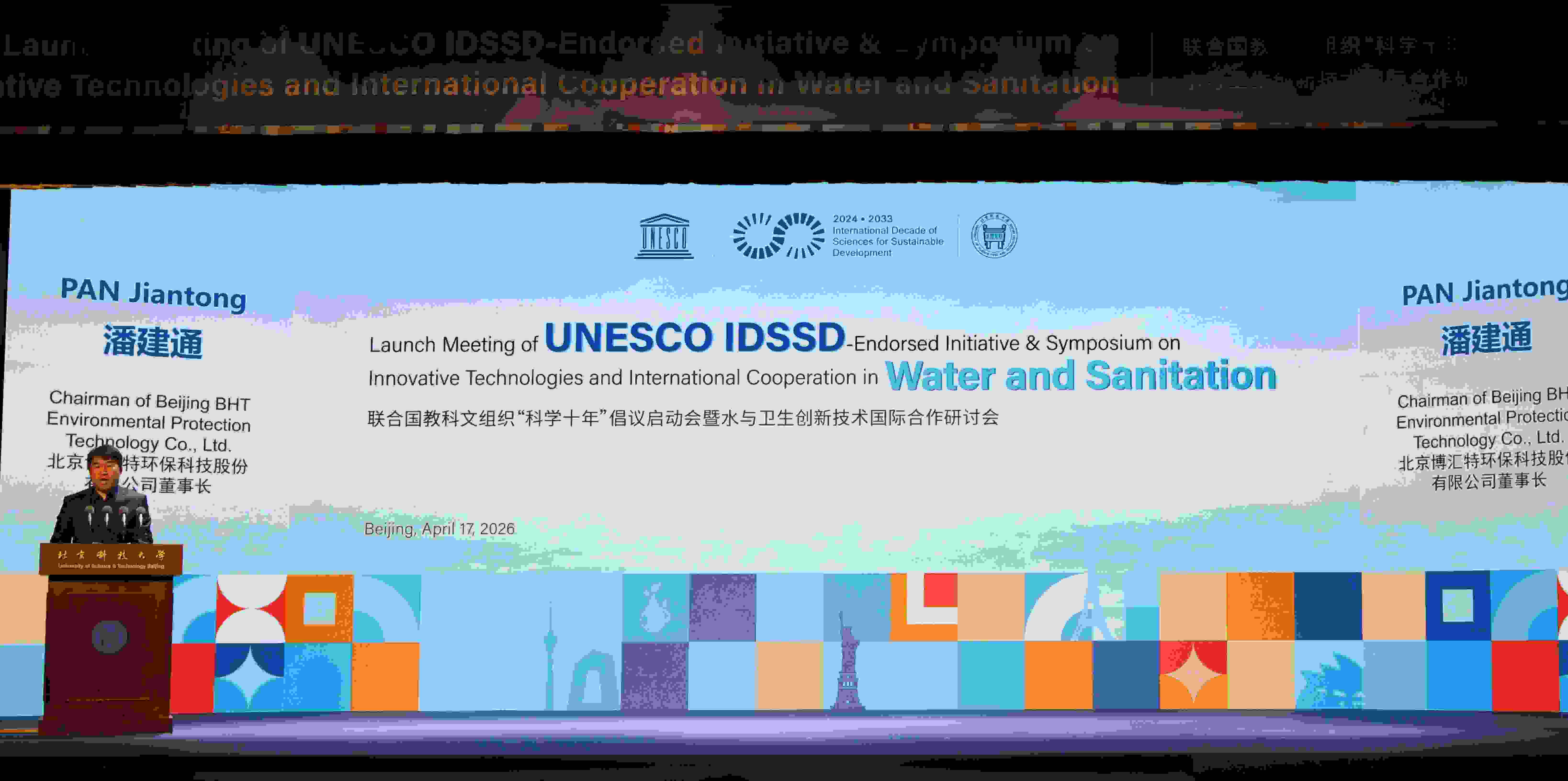
He reflected on how the rigorous academic training and innovative mindset fostered by his alma mater have guided his 16-year dedication to the water treatment sector. He emphasized that in the face of global challenges such as water scarcity, environmental pollution, and climate change, no single enterprise, institution, or country can address them alone. Instead, achieving United Nations Sustainable Development Goal 6 (Clean Water and Sanitation) requires open technology sharing and close collaboration among industry, academia, research institutions, and application partners. Taking this forum as an opportunity, BHT stands ready to further deepen international technical exchanges and contribute Chinese wisdom and solutions to global sustainable development.
Drawing on BHT’s many years of hands-on overseas experience, Jayton Pan provided an accessible yet insightful analysis of the opportunities and challenges facing environmental protection enterprises in going global, while highlighting BHT’s core technologies and benchmark projects.
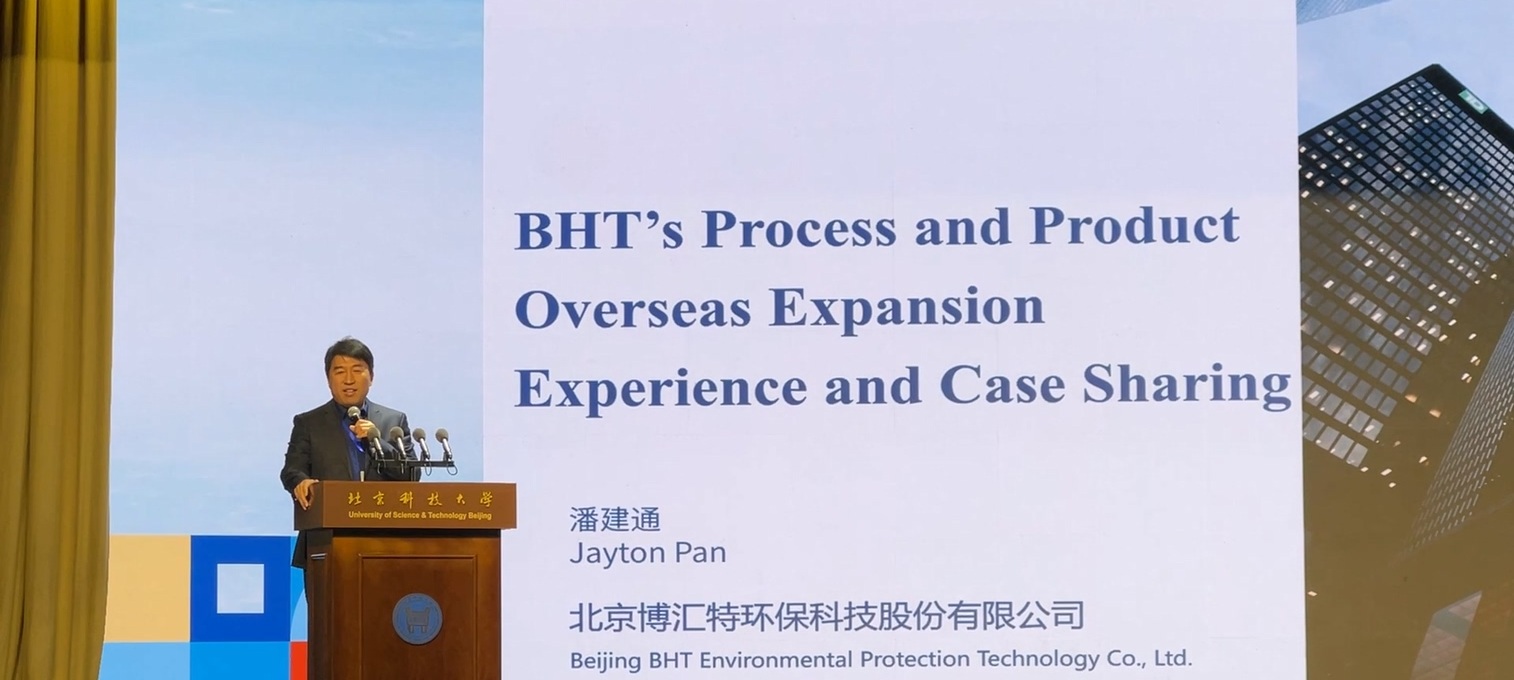
As a nationally recognized “Little Giant” enterprise specializing in niche, high-end, and innovation-driven technologies, BHT has remained deeply committed to the field of biological treatment technologies since its establishment in 2009. “BHT’s international expansion is not simply about exporting products; it is a systematic export of process technologies, high-end equipment, eco-friendly chemicals, and localized services.”
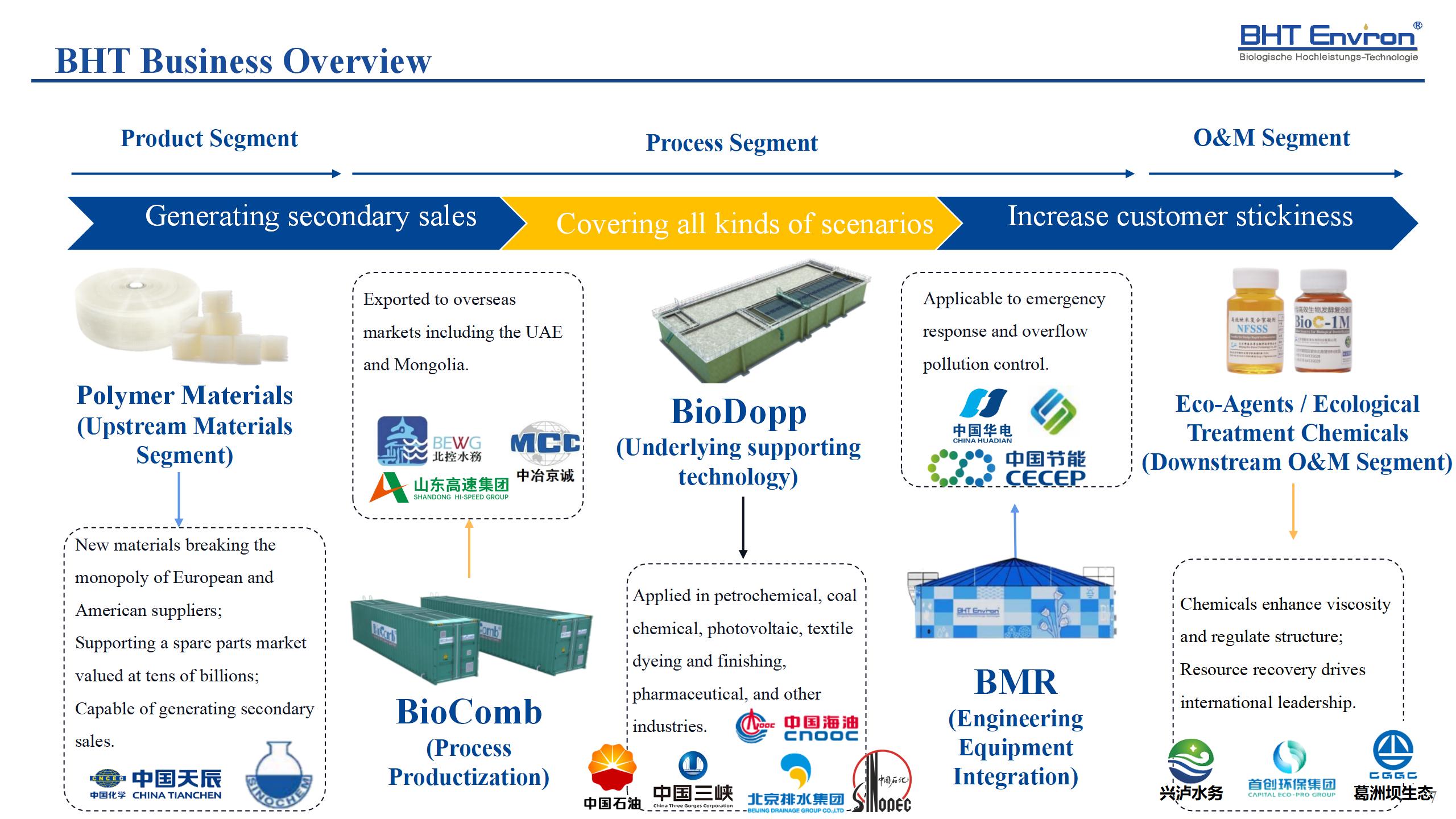
The company’s core technology, the BioDopp micro-aerobic biochemical process, is a highly intensive wastewater treatment technology. Compared with conventional processes, it reduces land occupancy by more than 30%, lowers energy consumption by 40%, and cuts sludge generation by 30%. Its current installed treatment capacity has reached nearly 3 million m³/day, giving BHT a leading global market share in the micro-aerobic process segment.
Amid the complex challenges of international expansion, including safety, compliance, economic conditions, geopolitics, and supply chain risks, BHT has successfully established a presence in multiple regions around the world, achieving breakthrough progress in markets such as the Middle East and Southeast Asia, where water scarcity and strong environmental demand are particularly pronounced.
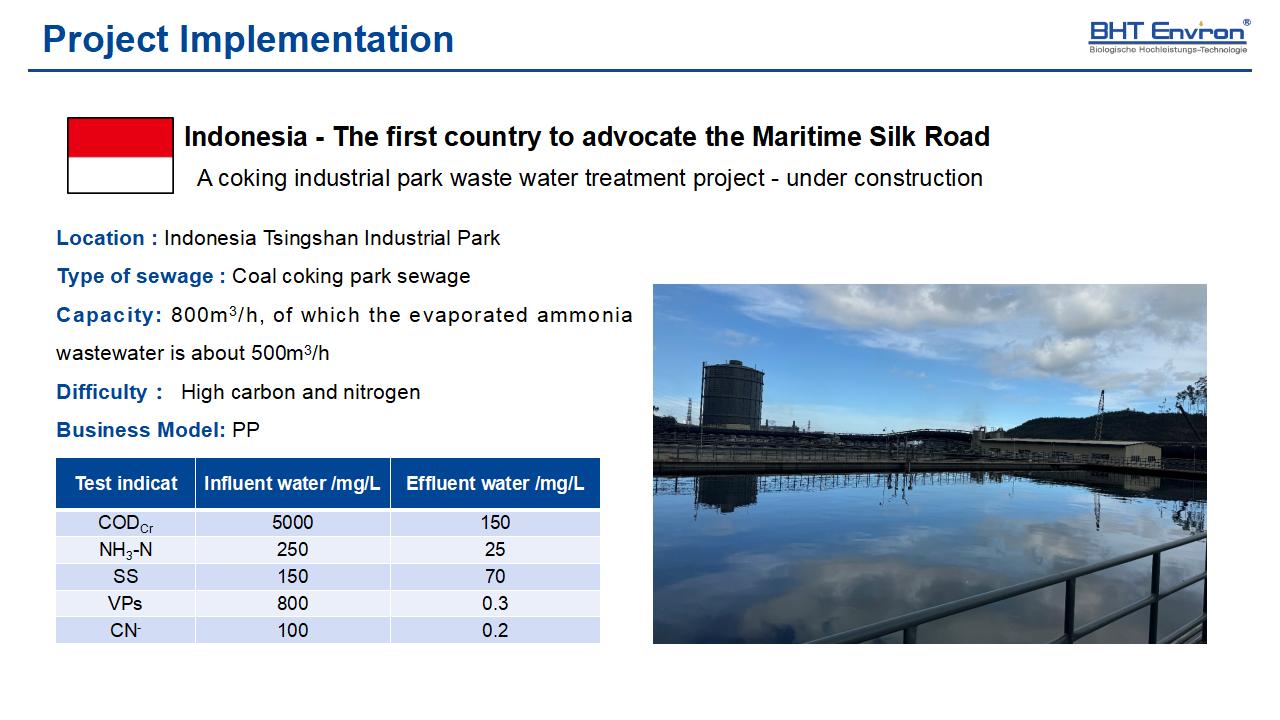
Treatment capacity: 800 m³/h (including approximately 500 m³/h of ammonia stripping wastewater)
Technical challenge: coal chemical wastewater with high COD (5,000 mg/L) and high ammonia nitrogen (250 mg/L)
Delivery model: PP model, serving the birthplace of the 21st Century Maritime Silk Road initiative
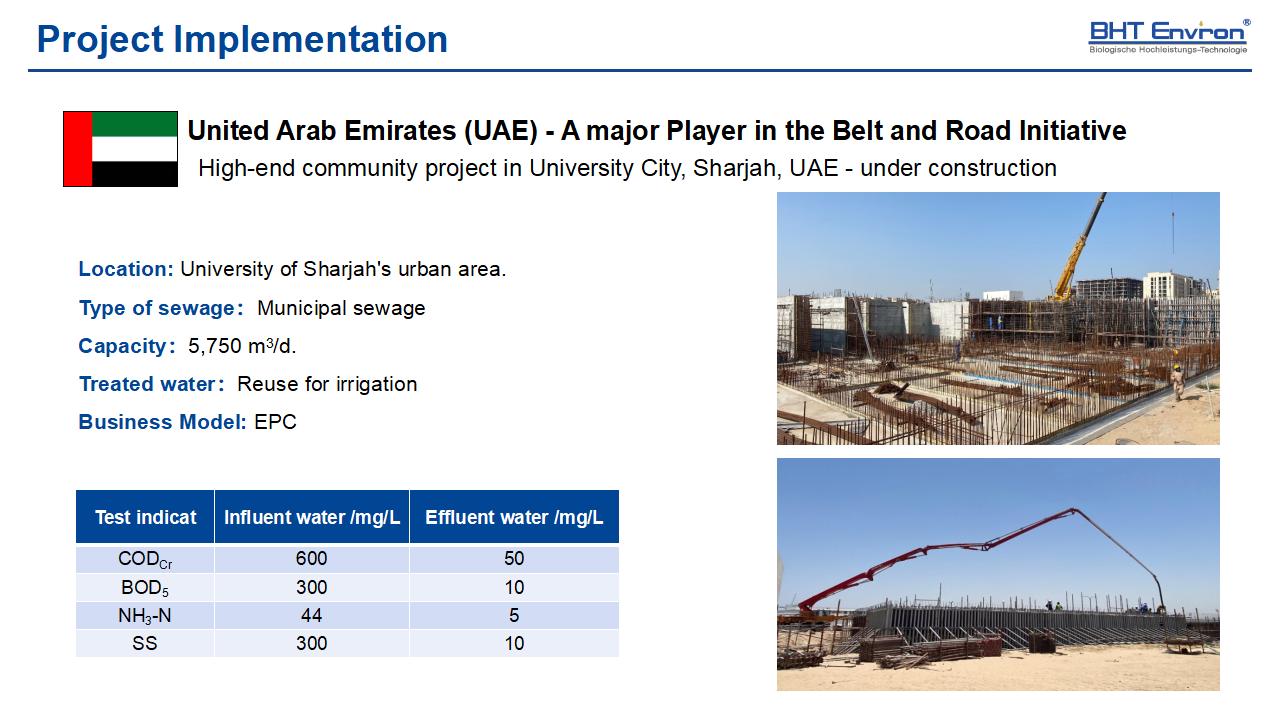
Treatment capacity: 5,750 m³/d
Effluent reuse: irrigation
Delivery model: EPC, supporting the strategic transformation of water security in the Middle East
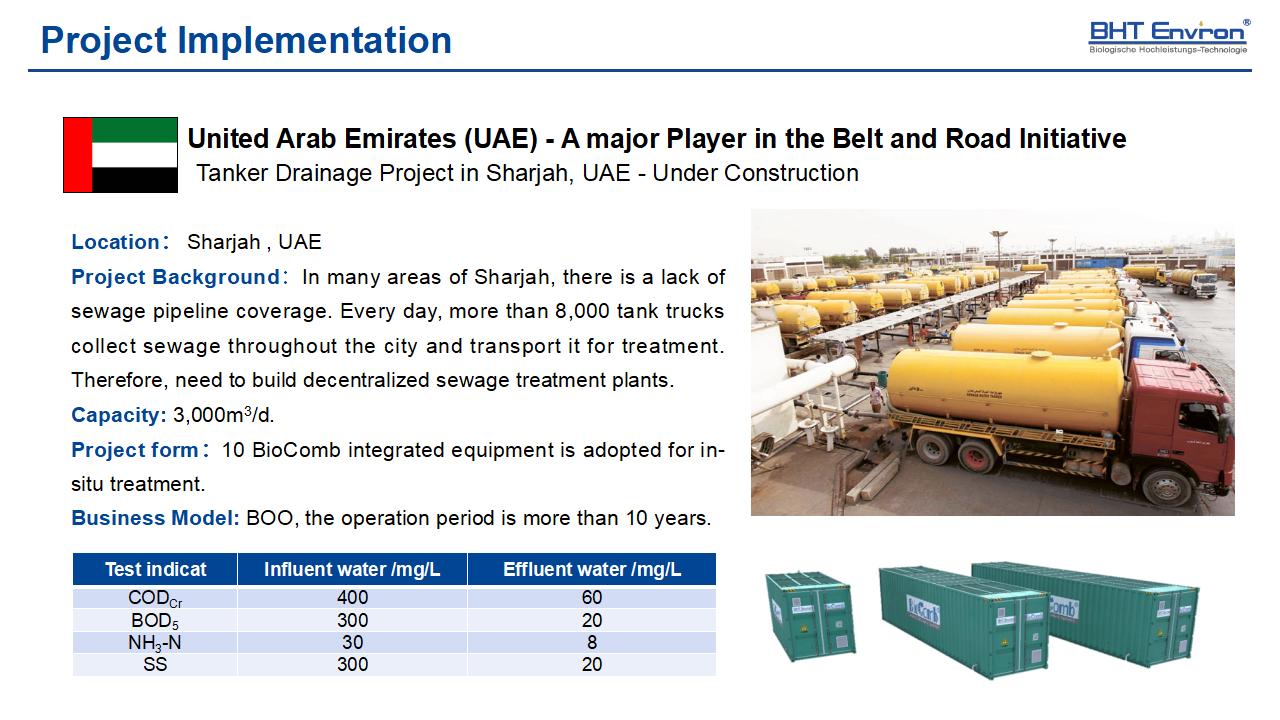
Treatment capacity: 3,000 m³/d, with on-site treatment using 10 BioComb integrated units
Background: designed to address insufficient local sewer network coverage and the challenge of approximately 8,000 septage trucks transporting wastewater daily
Delivery model: BOO (Build-Own-Operate), with an operating term of more than 10 years
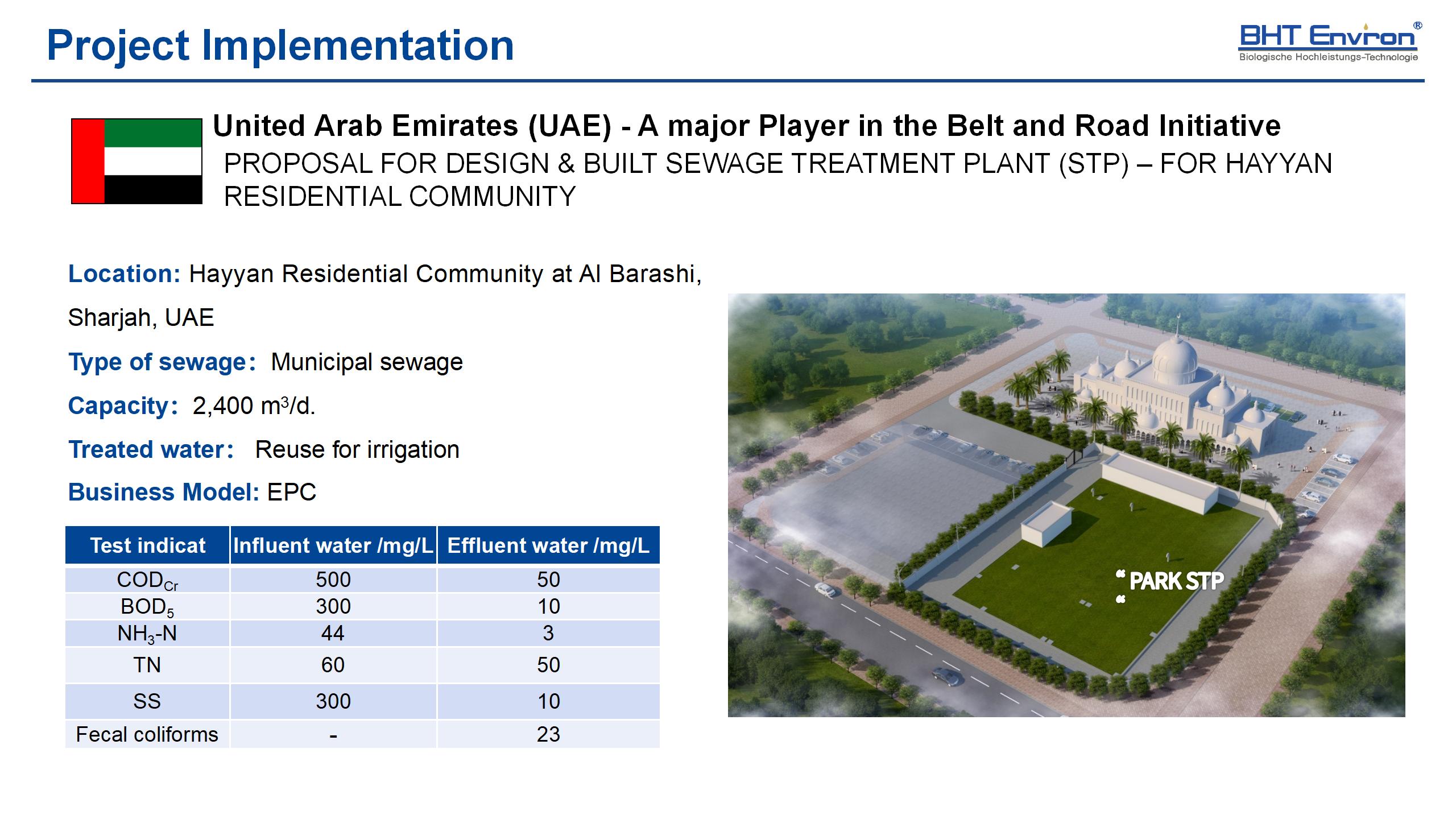
Treatment capacity: 2,400 m³/d
Feature: fully underground design, with effluent meeting high-standard water reuse requirements
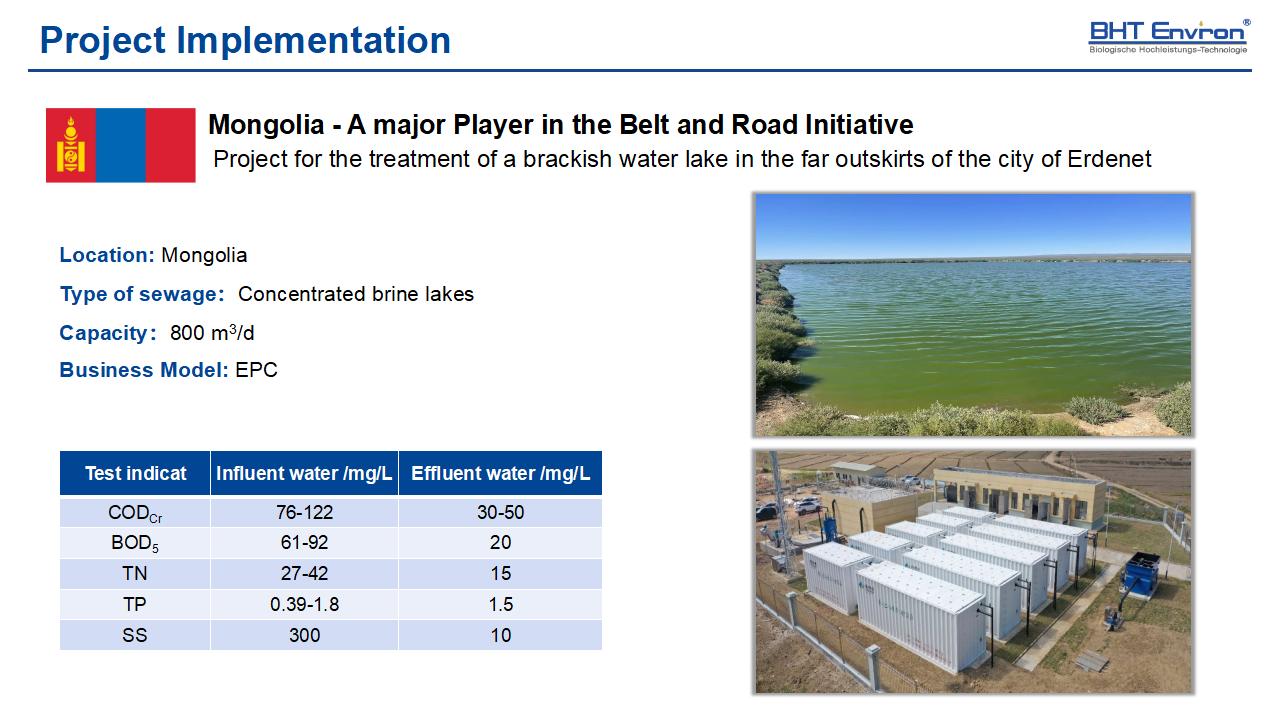
Treatment capacity: 800 m³/d
Feature: improves the ecological environment of multiple dispersed saline lakes, contributing to green development under the Belt and Road Initiative
During the Panel Discussion session, Chairman Jayton Pan joined senior representatives of international organizations from Lesotho, Belgium, and Bangladesh, along with Chinese and international guests including Professor Zhidan Liu of China Agricultural University and Jian Zhang , Chairman of VONO Environmental, in an in-depth dialogue on water and sanitation technology cooperation in developing countries. The discussion was moderated by Professor Heinz-Peter Mang.
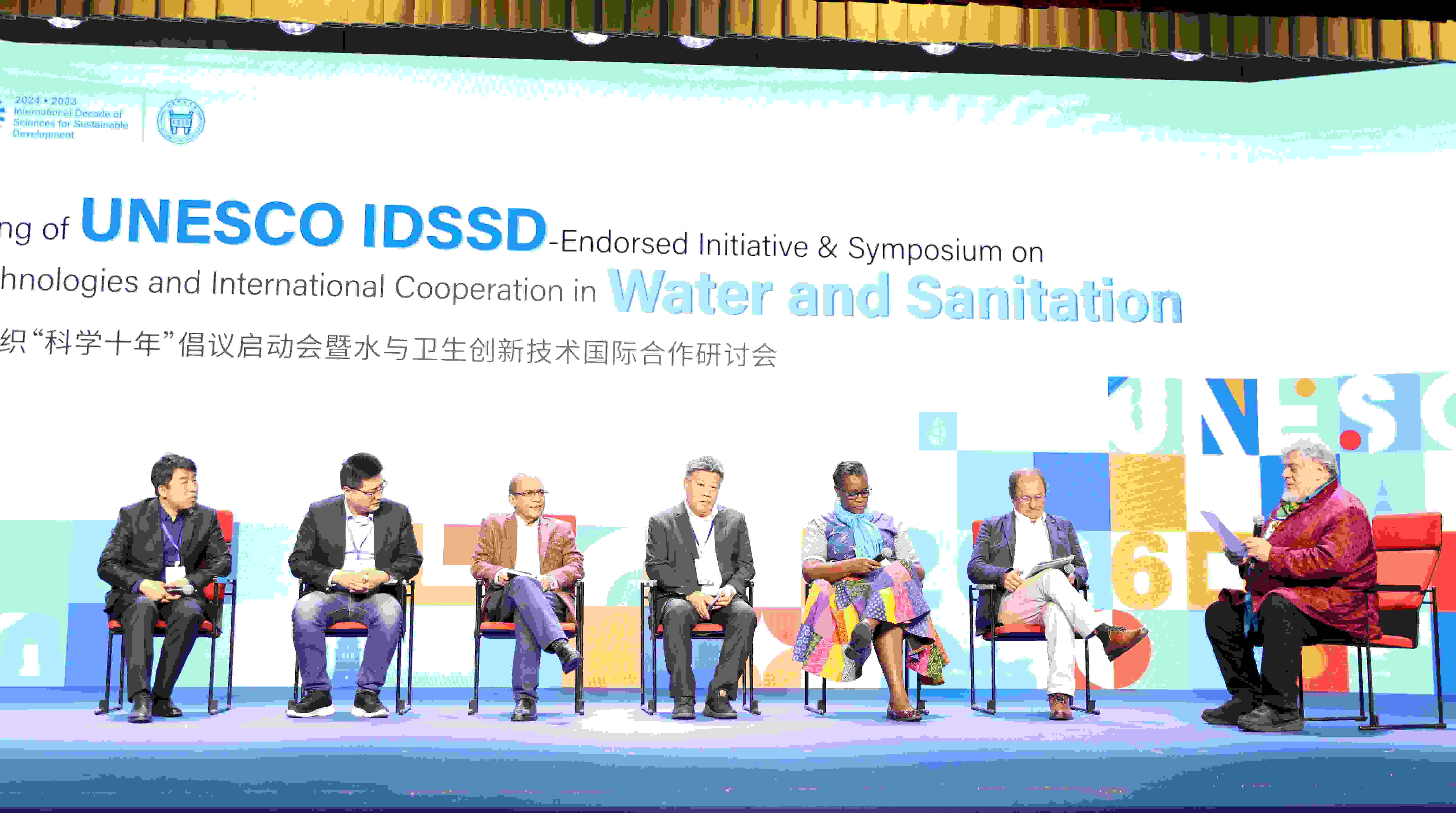
As the representative Chinese environmental entrepreneur on the panel, Jayton Pan shared BHT’s practical experience in countries such as Indonesia, the UAE, and Mongolia, offering insights into localized operations, technology adaptation, and business model innovation in the international expansion of Chinese private environmental enterprises. His remarks were highly recognized by the international experts in attendance.
From the USTB campus to the international academic stage, Chairman Jayton Pan’s participation and insights not only demonstrated BHT’s strong capabilities as a leader in biochemical treatment technologies, but also embodied the enduring USTB spirit of “seeking truth and pursuing innovation.” Through technological innovation, BHT is responding to the global water crisis; through industrial practice, it is advancing the implementation of the Sustainable Development Goals. Along the Belt and Road and across broader international markets, BHT is writing a new chapter in the global expansion of Chinese environmental enterprises.