

Recently, the China Association of Environmental Protection Industry officially announced the winners of the 2025 Environmental Technology Progress Award. The project “Research and Application of Key Technologies for Urban Wastewater Overflow Pollution Control Based on In-Situ Capacity Enhancement,” in which BHT participated, stood out among numerous entries for its remarkable technological innovation, engineering applicability, and environmental benefits, and was awarded the First Prize of the 2025 Environmental Technology Progress Award.
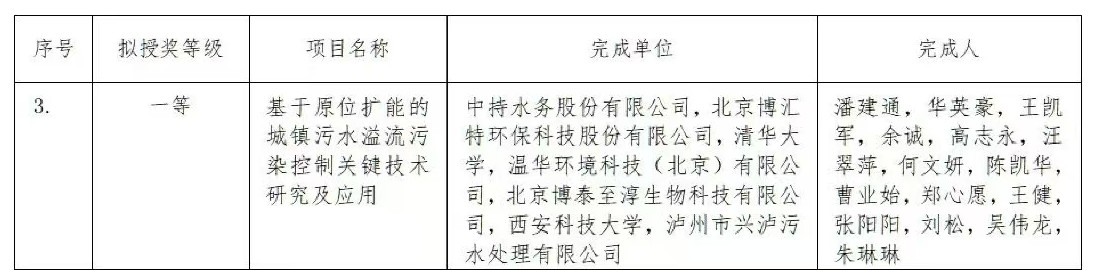
This award represents full recognition of BHT’s long-term dedication and continuous innovation in the field of water environment management. It also marks a key step forward for China in addressing the critical bottlenecks of urban wastewater treatment systems.
I. Addressing the Pain Point: Wet-Weather Overflow Pollution Remains a Persistent Challenge in Urban Water Management
With the acceleration of urbanization, many wastewater treatment plants in older urban districts are facing severe challenges, including insufficient design treatment capacity and frequent combined sewer overflows (CSOs) during the rainy season. During heavy rainfall or flood seasons, large volumes of insufficiently treated wastewater are discharged directly into rivers, posing a serious threat to aquatic ecological and environmental safety.
Traditional solutions often rely on new construction or expansion projects, which require substantial investment and long implementation periods. They are also frequently constrained by limited land availability and underutilization during dry-weather periods, making it difficult to respond rapidly to emergency capacity demands.
II. A Breakthrough Solution: In-Situ Capacity Expansion Improves Performance Without Civil Works
The award-winning project proposed an in-situ capacity expansion technology route characterized by no new construction, no shutdown, low cost, and high efficiency. Its core lies in the innovative application of the NFSSS nano-flocculant.
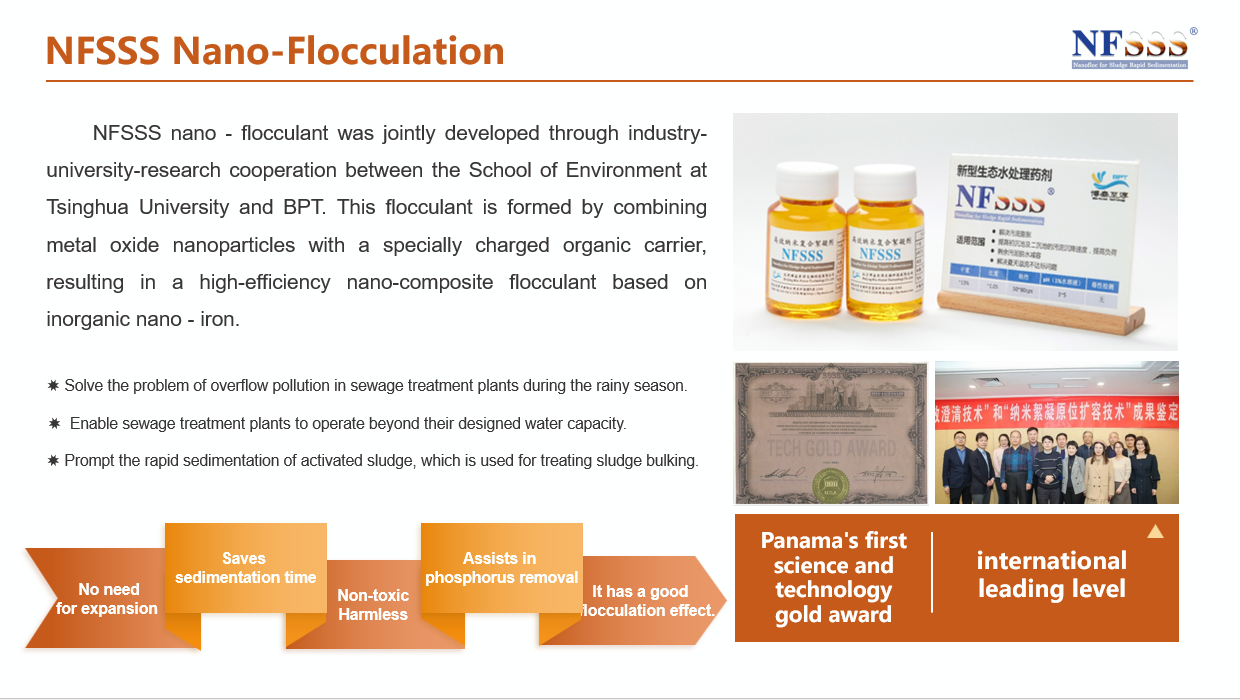
NFSSS (NanoFloc for Sludge Rapid Sedimentation) nano-flocculation in-situ capacity expansion technology is an innovative solution jointly developed by BPT and the School of Environment, Tsinghua University, to address wet-weather hydraulic overload in wastewater treatment plants. Its key features include:
III. Proven Performance: Successfully Applied in Multiple Cities
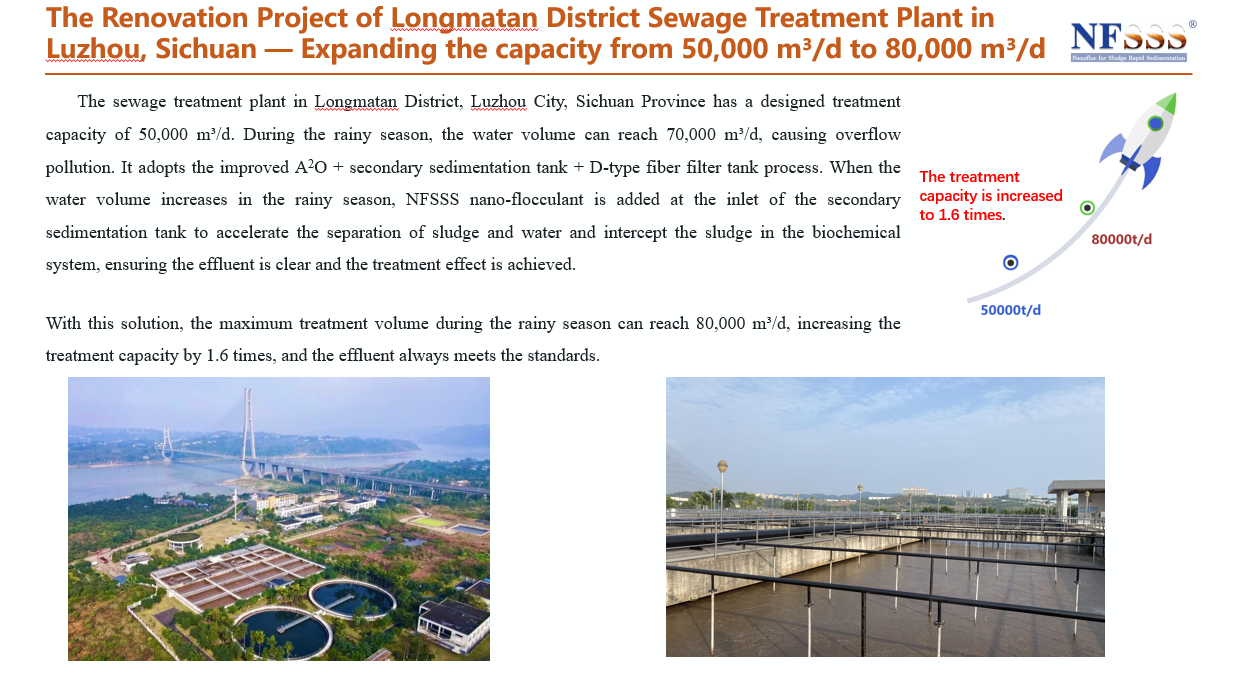
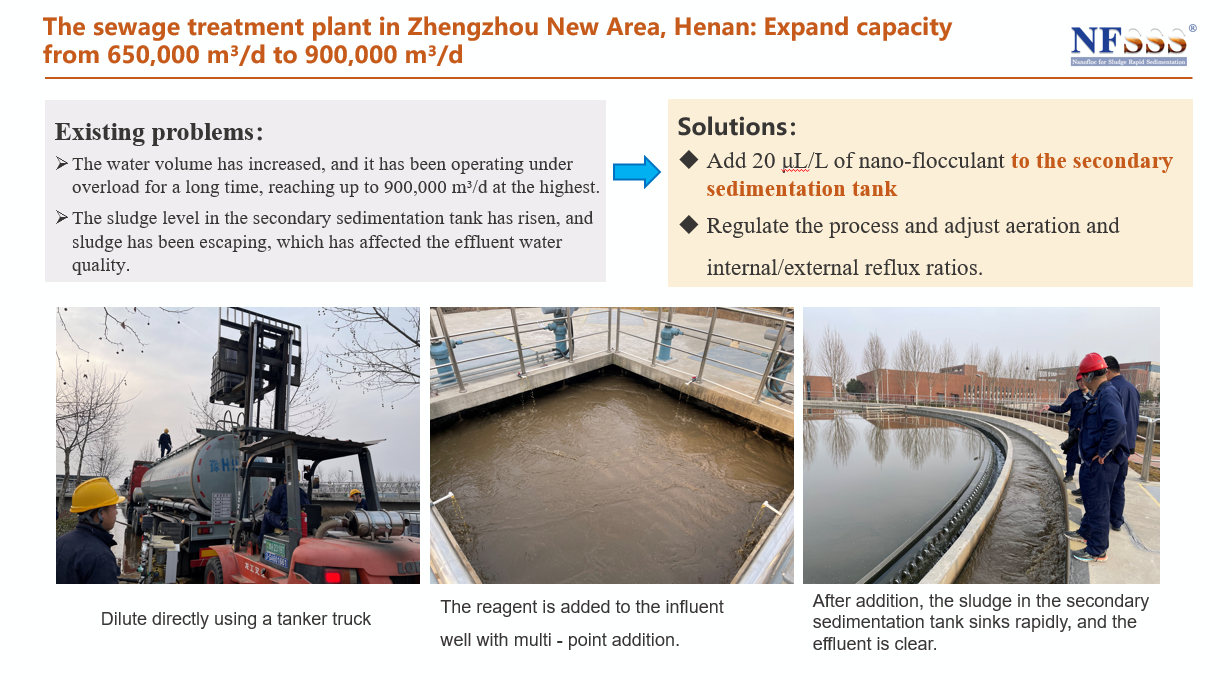
To date, this technology has been successfully applied in wastewater treatment plants across several provinces and municipalities, including Sichuan, Beijing, Henan, and Hebei. During rainy seasons, it has effectively prevented overflow pollution and achieved temporary capacity expansion, receiving high recognition from plant owners and environmental authorities.
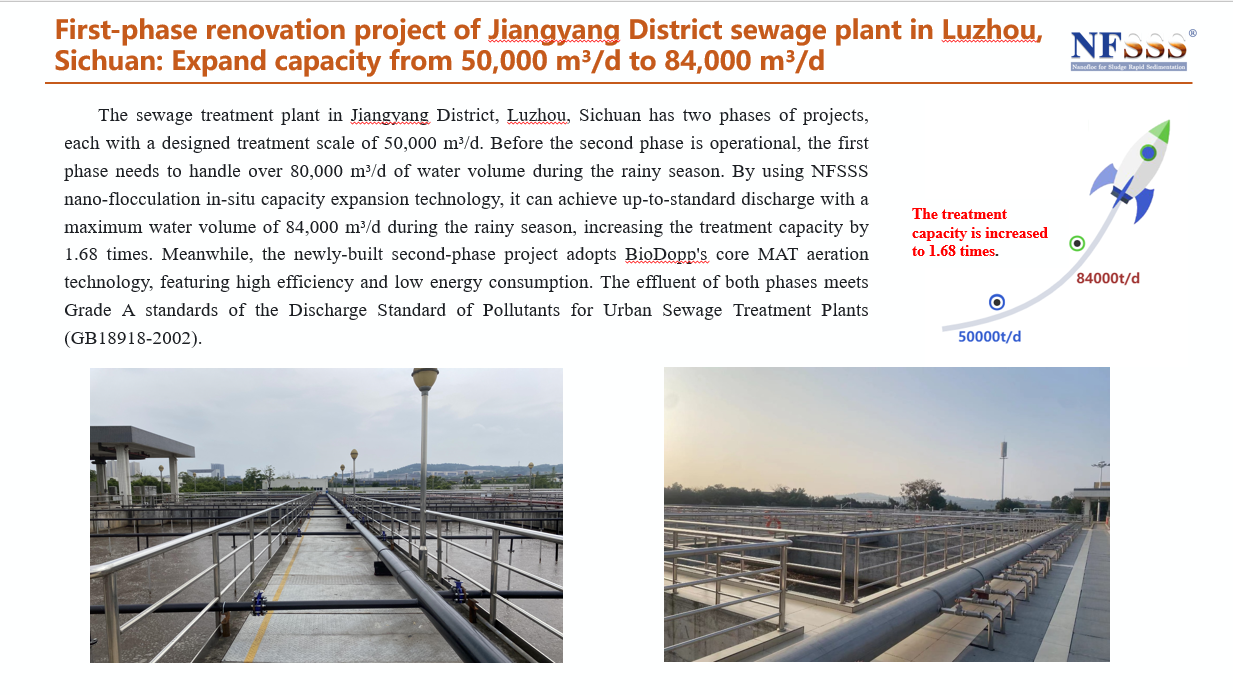
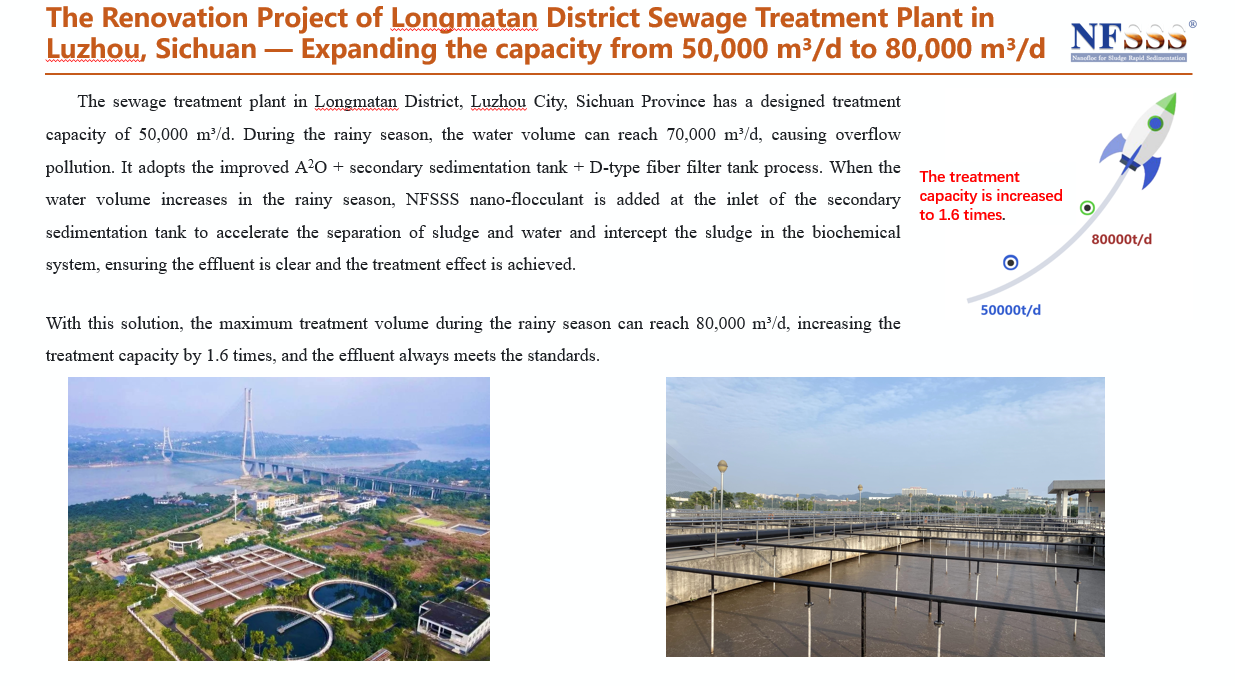
Preventing even a single drop of wastewater from “escaping with the rain” is a fundamental requirement of urban water environment management.
With robust technological innovation, BHT safeguards clear waters and clean flows, empowering every wastewater treatment plant with the confidence to maintain reliable performance during flood seasons.
About the Environmental Technology Progress Award
To promote the deep integration of technological innovation and industrial innovation, and to foster an environmental technology innovation system combining industry, academia, research, and application, the China Association of Environmental Protection Industry established the Environmental Technology Progress Award in 2018, with registration by the National Office for Science and Technology Awards under Social Science and Technology Award No. 0299. The award focuses on applied technological innovation achievements. Each year, award-winning projects generate an output value of up to RMB 30 billion and involve more than 1,500 patents.