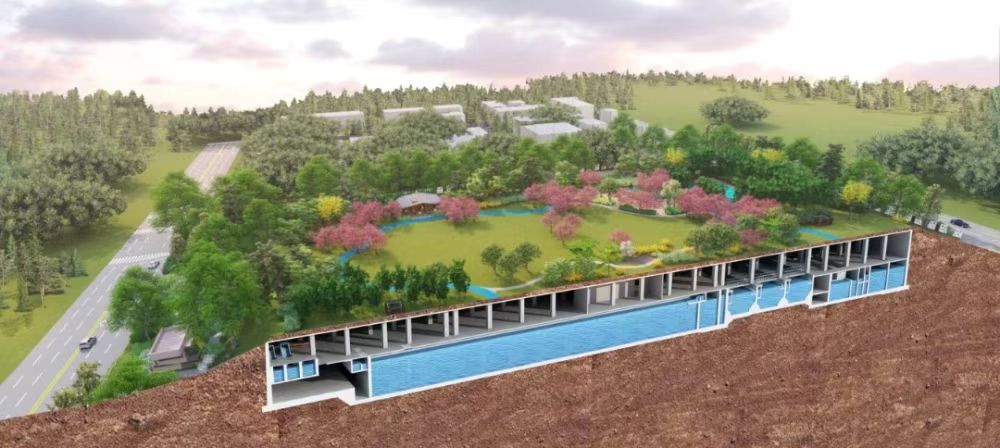
A 65,000-ton "Water Purification Heart" Underground, a 40,000-square-meter Ecological Lung Above Ground
In the northern area of Mianyang City, Sichuan Province, an "invisible" project integrating technology and ecology is quietly transforming the relationship between the city and nature. The Phase II Project of Qixingba Sewage Treatment Plant, designed and constructed with the participation of BHT Environmental, has become Mianyang's first fully underground sewage treatment plant through the innovative model of "underground sewage treatment + above-ground ecological park". This "hidden" water purification heart not only solves the problems of traditional sewage treatment plants such as large land occupation and strong environmental disturbance, but also injects new momentum into the city's sustainable development with a daily treatment capacity of 65,000 tons.
[Innovative Design: Intelligent Layout of Three-Dimensional Space]
Adhering to the concept of "vertical stratification and functional integration", Qixingba Sewage Treatment Plant has defined the form of sewage treatment facilities as follows:
- Underground Level 2: Sewage Treatment Area. It adopts the combined process of BioDopp biochemical tank + high-efficiency sedimentation tank + denitrification deep bed filter, with reserved space for standard upgrading.
- Underground Level 1: Tank Top Platform and Intelligent Control Room, realizing efficient collaboration between equipment operation and maintenance and safety management.
- Above Ground: A 40,000-square-meter landscape green park (equivalent to 60 Chinese mu), integrating leisure trails, ecological green spaces and children's activity areas. It will become an "urban oxygen bar" for surrounding residents in the future.
This "space folding" design transforms the sewage treatment plant from a "not-in-my-backyard (NIMBY) facility" into a "beneficial-to-neighbors space", truly realizing the optimal utilization of land resources.
[Technological Breakthroughs: More Efficient Water Purification, More Eco-Friendly Development]
As BHT's first fully underground project, the Qixingba Project has achieved multiple technological innovations:
- Leading Biochemical Technology: The project adopts the BioDopp process. Through step-feed operation, it effectively balances the carbon source competition between anaerobic phosphorus release and anoxic denitrification, achieving high phosphorus removal efficiency. The two-stage AO mode ensures a denitrification efficiency of 90%~95%. The high dissolved oxygen content in the effluent from the subsequent aerobic zone effectively avoids sludge bulking in the secondary sedimentation tank.
- Innovative Monitoring System: By installing a leakage monitoring system on the MAT aeration system, the disadvantage of difficult observation due to full coverage of the tank top is overcome, ensuring stable compliance of the effluent quality.
- Constant Temperature and Humidity Operating Environment: The stable temperature in the underground space guarantees the efficiency of microbial treatment, reduces energy consumption and extends the service life of equipment.
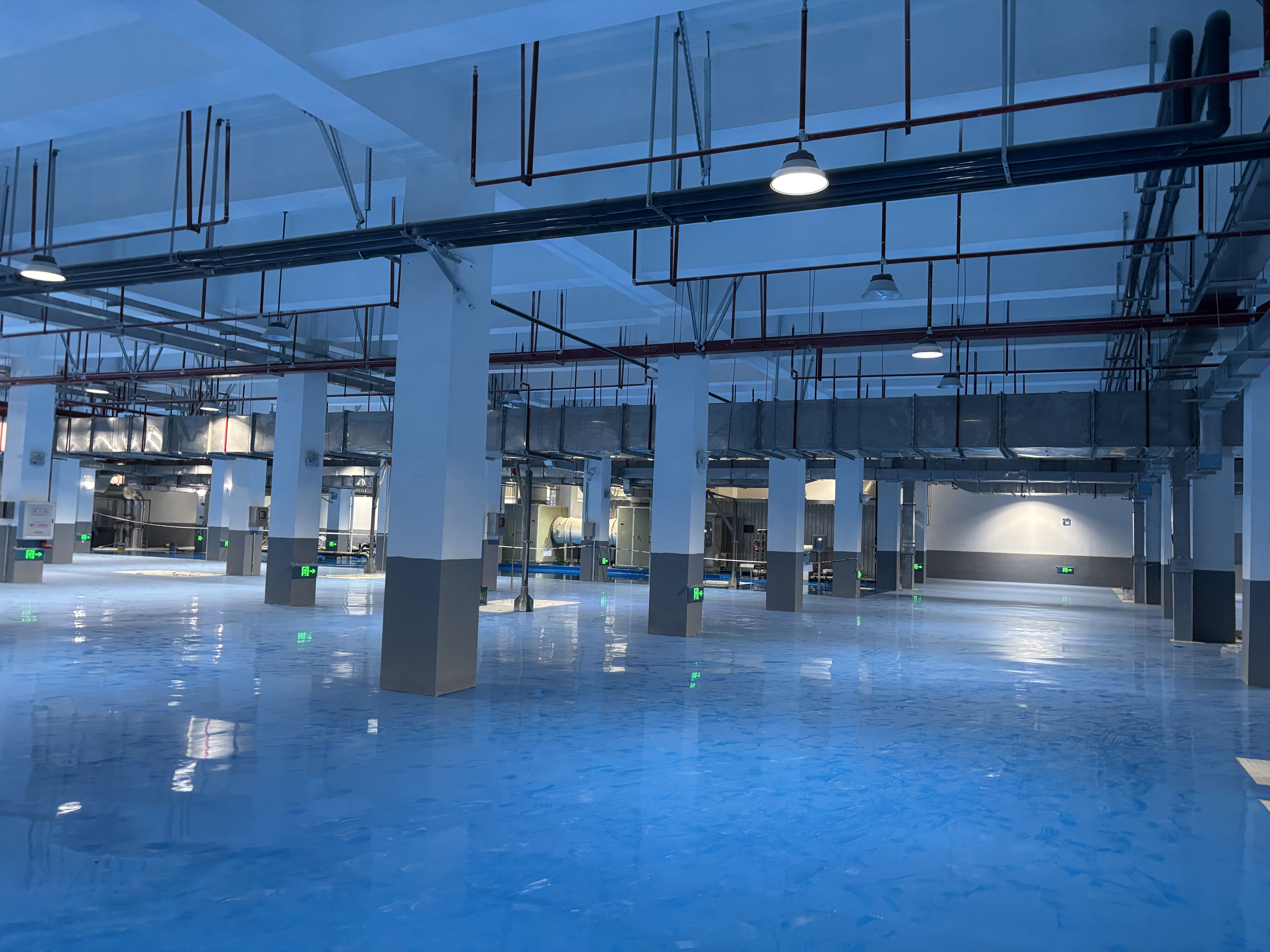
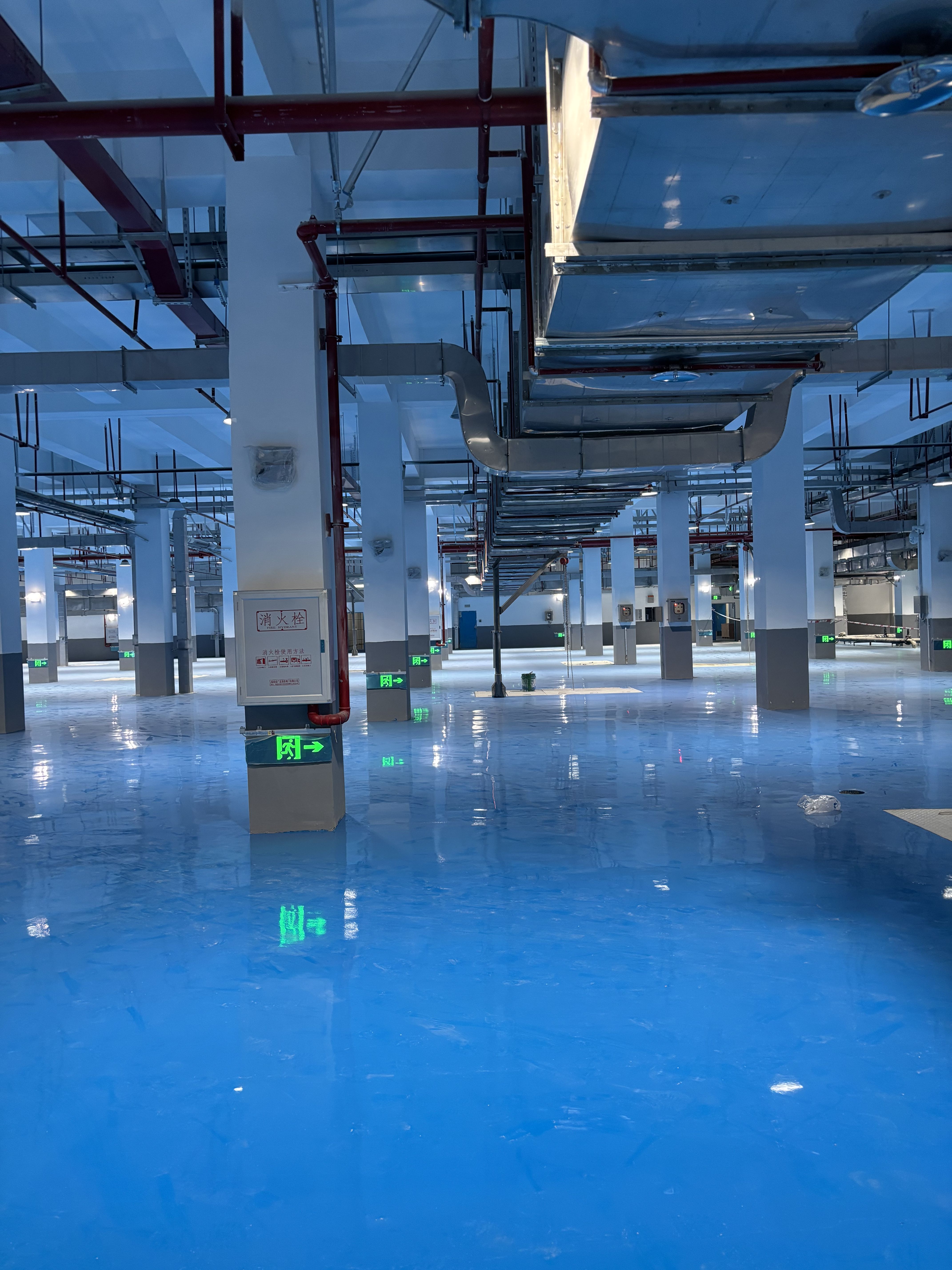
After completion, the project will serve the northern area of the city, effectively improving the sewage treatment capacity of the region, further providing water discharge support for regional development and construction. With a daily treatment of 65,000 tons of sewage, it is equivalent to "purifying" the water volume of about 26 standard swimming pools for the city every day.
[Ecological Value: A "Win-Win" for Sewage Treatment Plants]
The Qixingba Project is not only a victory of technology, but also a practical practice of ecological concepts:
- Land Resource "Optimization Technique": It saves land resources. Through the underground design, the ground is converted into a park, realizing "zero interference from sewage and 100% green space".
- New Paradigm of Urban Aesthetics: The seamless connection between above-ground landscapes and underground facilities transforms the sewage treatment plant from an industrial building into an ecological landmark. Citizens can carry out leisure and entertainment activities here, achieving both "practical functions" and "aesthetic value".
- Strong Support for Regional Development: The project will effectively alleviate the sewage treatment pressure in the northern area, provide water discharge guarantee for urban development and construction, and help Mianyang "prosper through green development".
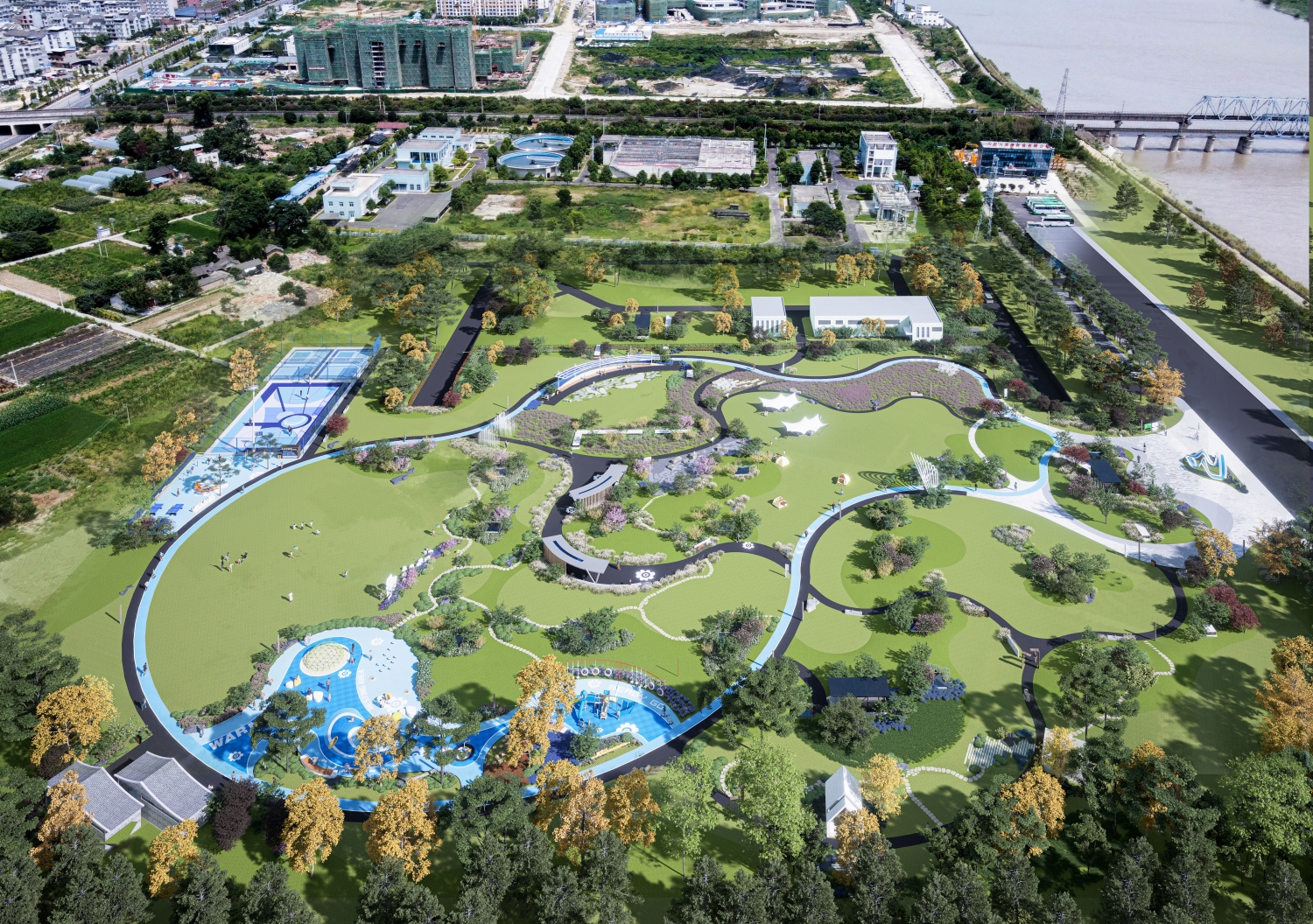
Project Data at a Glance
- Treatment Capacity: 65,000 tons/day
- Service Area: 56.6 square kilometers in northern Mianyang City
- Effluent Standard: Superior to Grade 1A of the "Discharge Standard of Pollutants for Municipal Wastewater Treatment Plants"
- Ecological Benefit: Annual COD emission reduction of about 10,000 tons, equivalent to the carbon sequestration capacity of 200,000 arbor trees