
BioDopp Biochemical Treatment
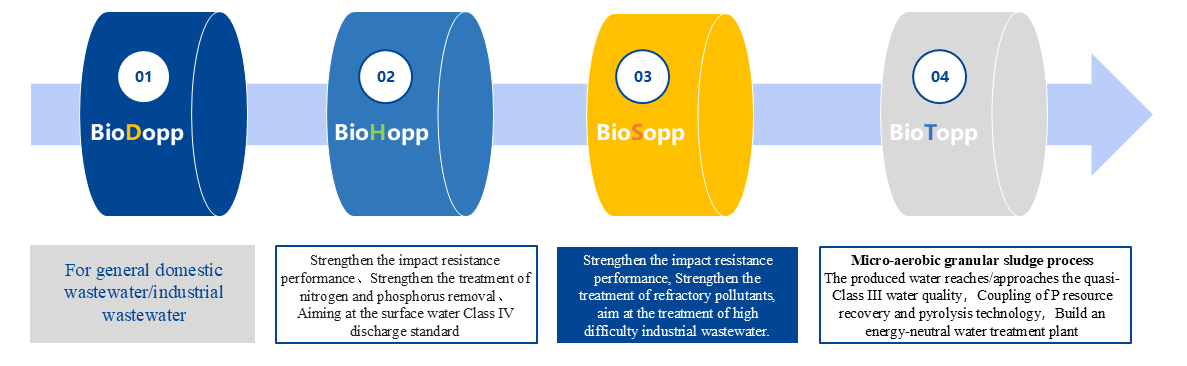
The BioDopp process is a micro-oxygen biochemical wastewater treatment technology. It was developed by a Sino-German technical team who extracted the advantages of various biochemical processes through long-term water treatment engineering practices, continuously innovated and upgraded. The technology was industrialized in developing countries like China after 2000. It has undergone multiple technological iterations tailored to China's water quality conditions and discharge requirements. It has now evolved into the third generation of industrial wastewater reactors and the fifth generation of municipal wastewater reactors, and is widely used in industrial wastewater treatment, industrial park sewage treatment, and municipal sewage treatment plants.
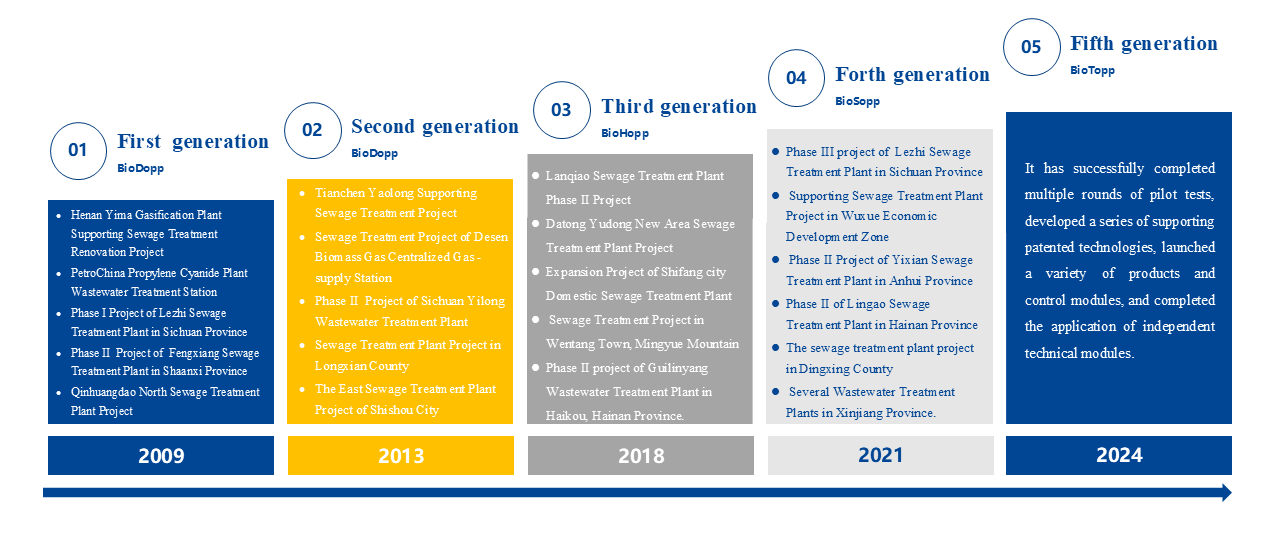
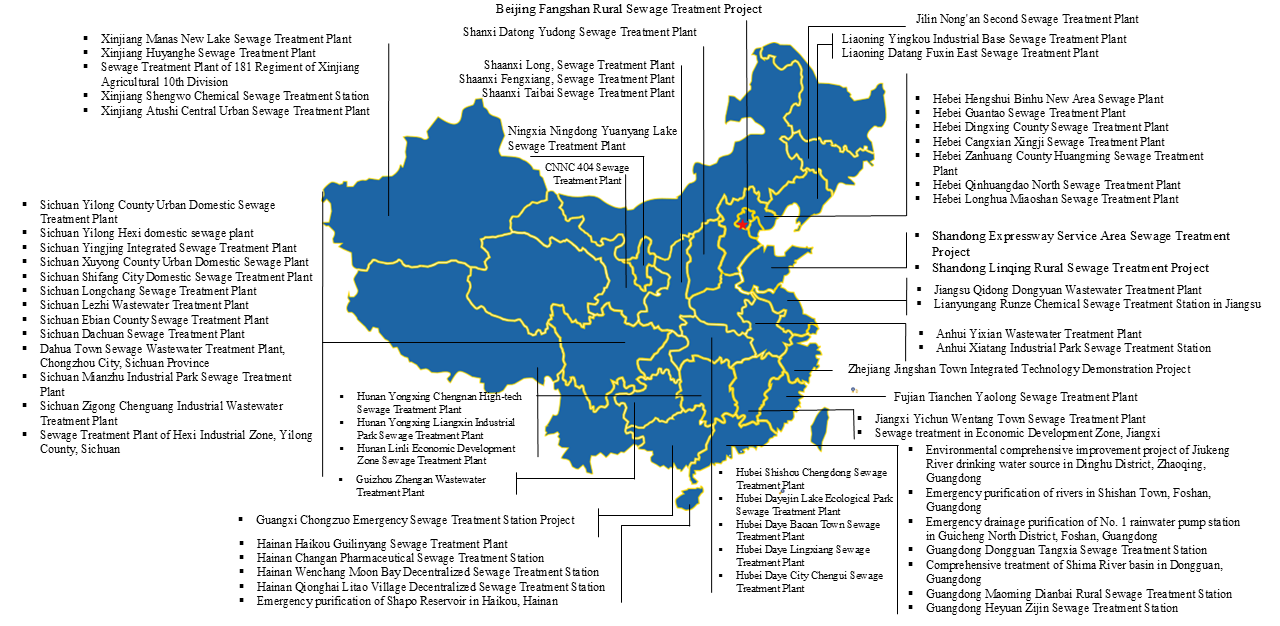
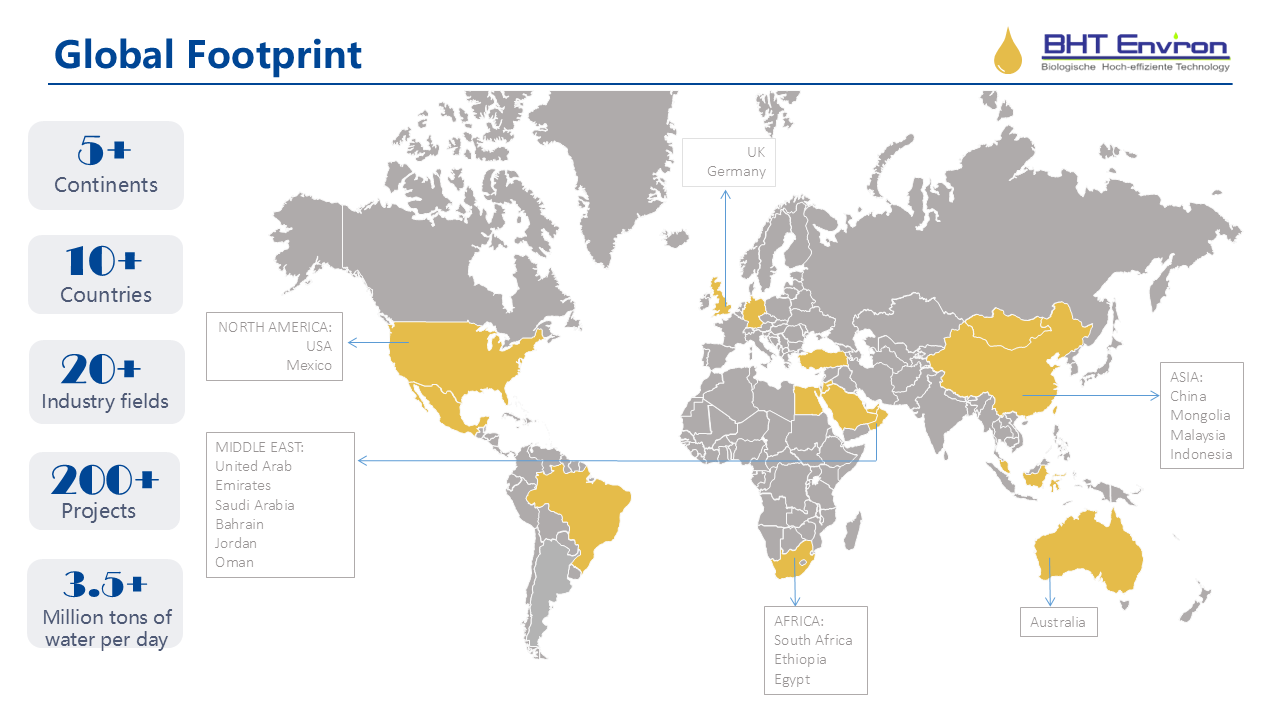
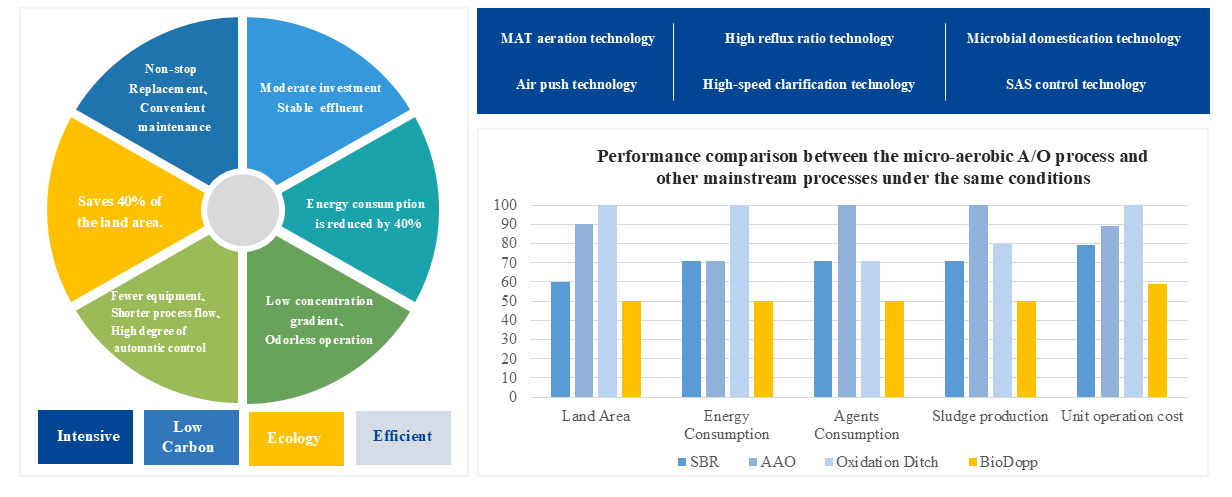
BioDopp is a highly intensive biochemical sewage treatment technology, which has obvious advantages in the treatment of high-concentration refractory industrial wastewater and in the field of municipal sewage treatment. The industrial scale is nearly 3 million tons per day. In the segmented field of the micro-aerobic process, the BioDopp process has developed into the process with the highest global market share, the deepest industrialization depth, and the widest industry coverage.
Design Concepts behind BioDopp
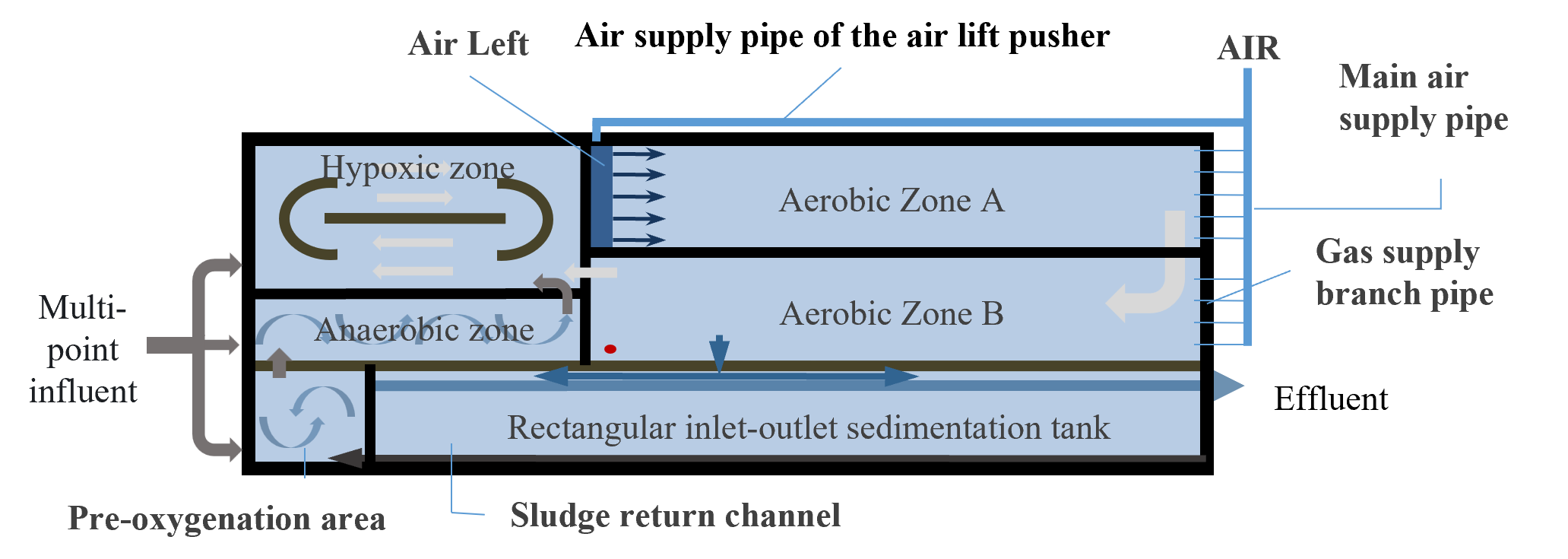
BioDopp integrates the full-liquid internal reflux of the oxidation ditch process, the different functional partitions of the A2/O process, and the advantages of the pre-positioned microbial selection zone of the CASS process. Complemented by highly efficient aeration technology, and taking the innovative air lifting and pushing technology as the source power, it has formed an integrated biochemical treatment process. It has the advantages of small land occupation, low energy consumption, low investment, and simple operation and management, and has remarkable advantages in the treatment of high-concentration refractory industrial wastewater and municipal sewage treatment.
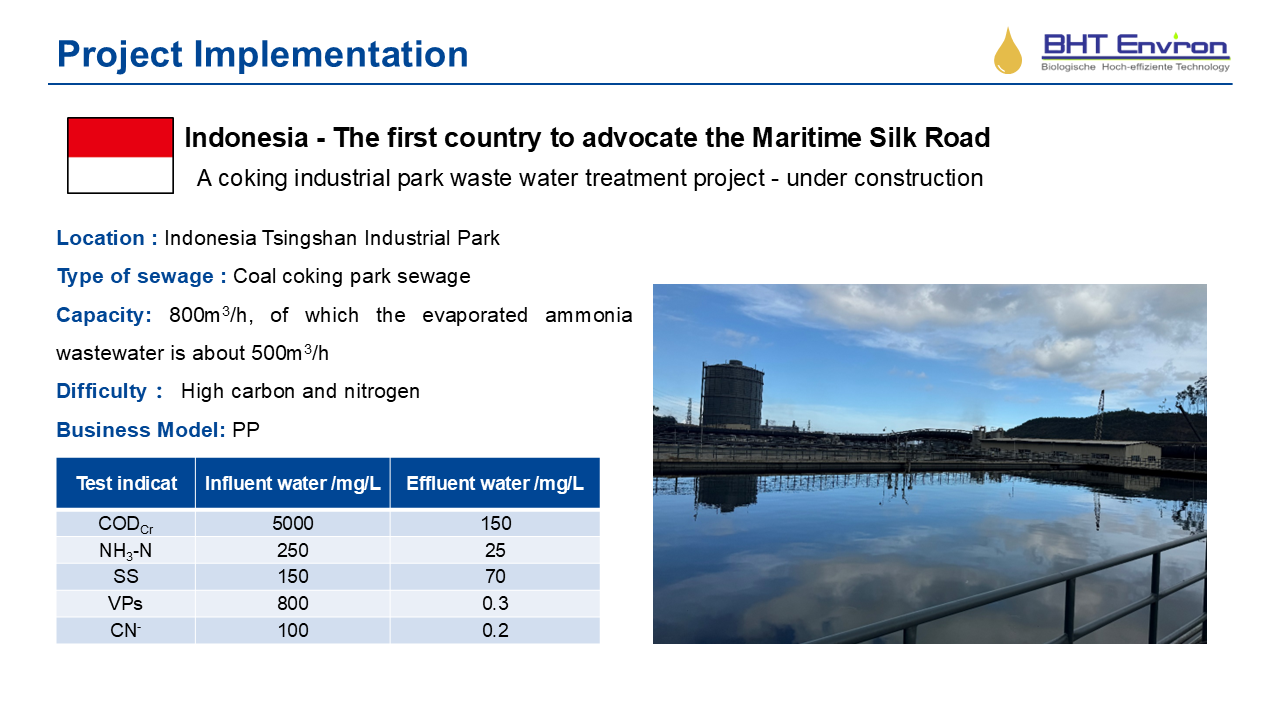
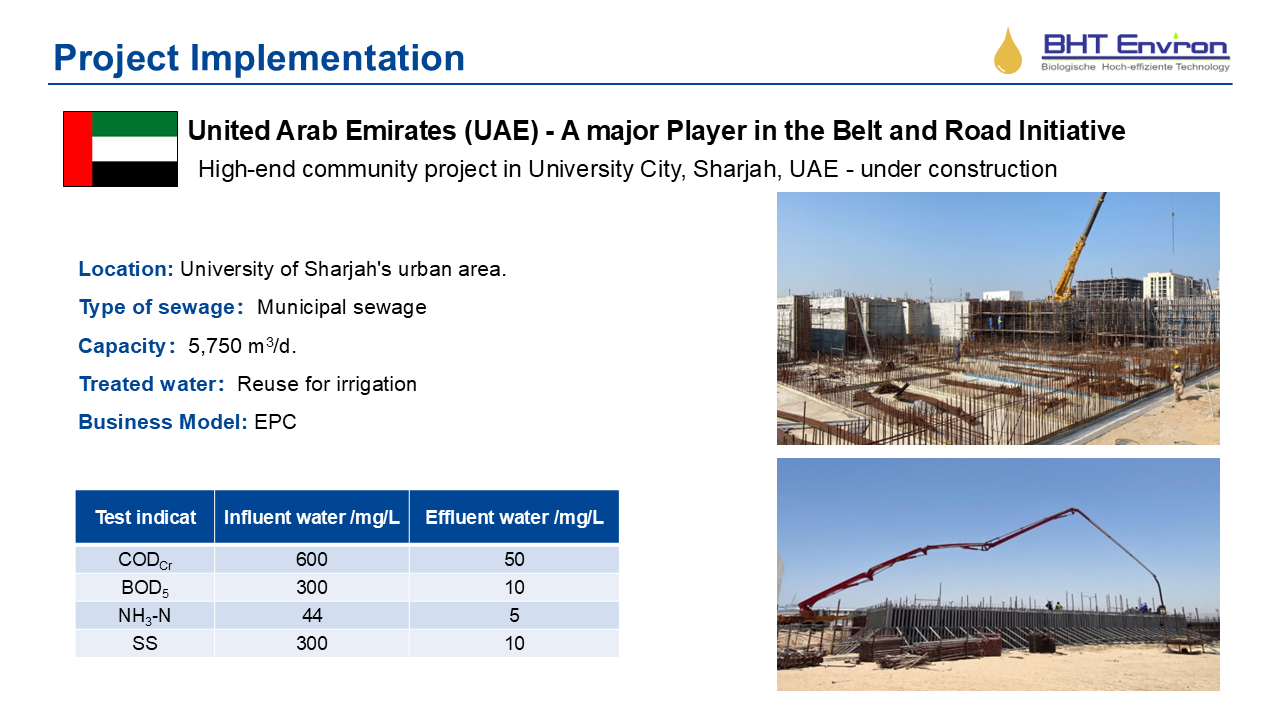
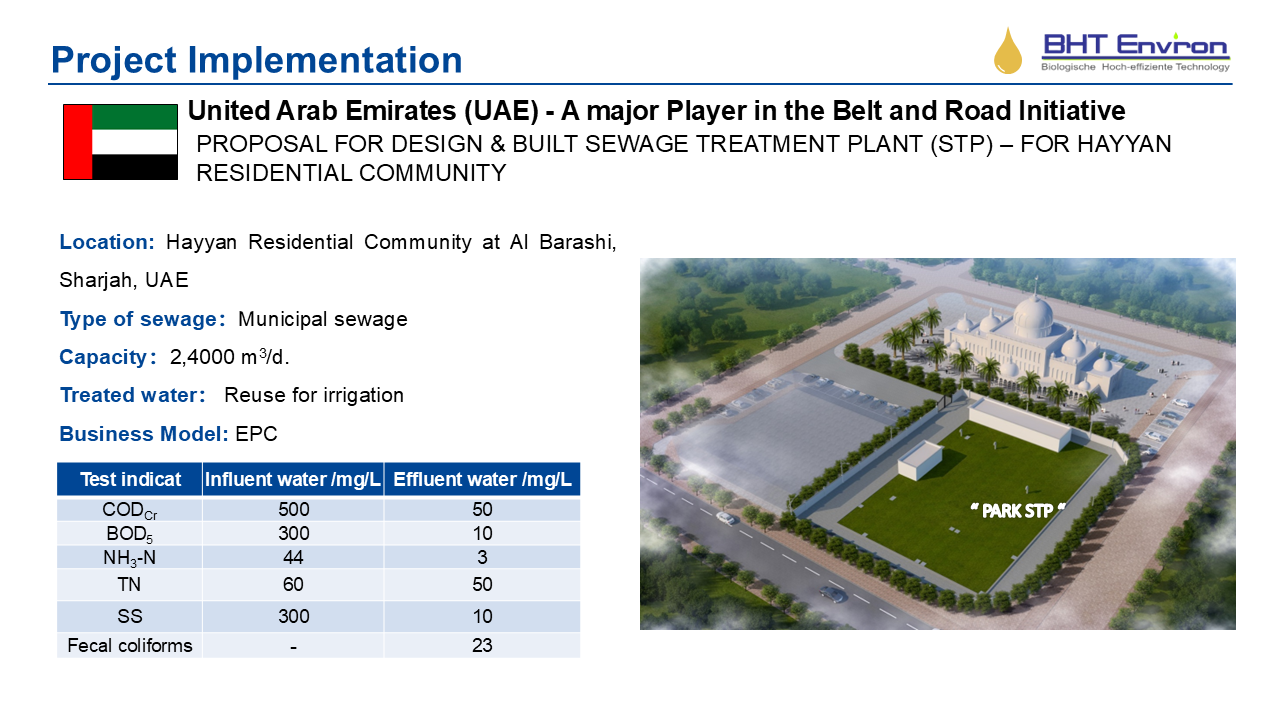
Successful Cases of BiDoopp Process